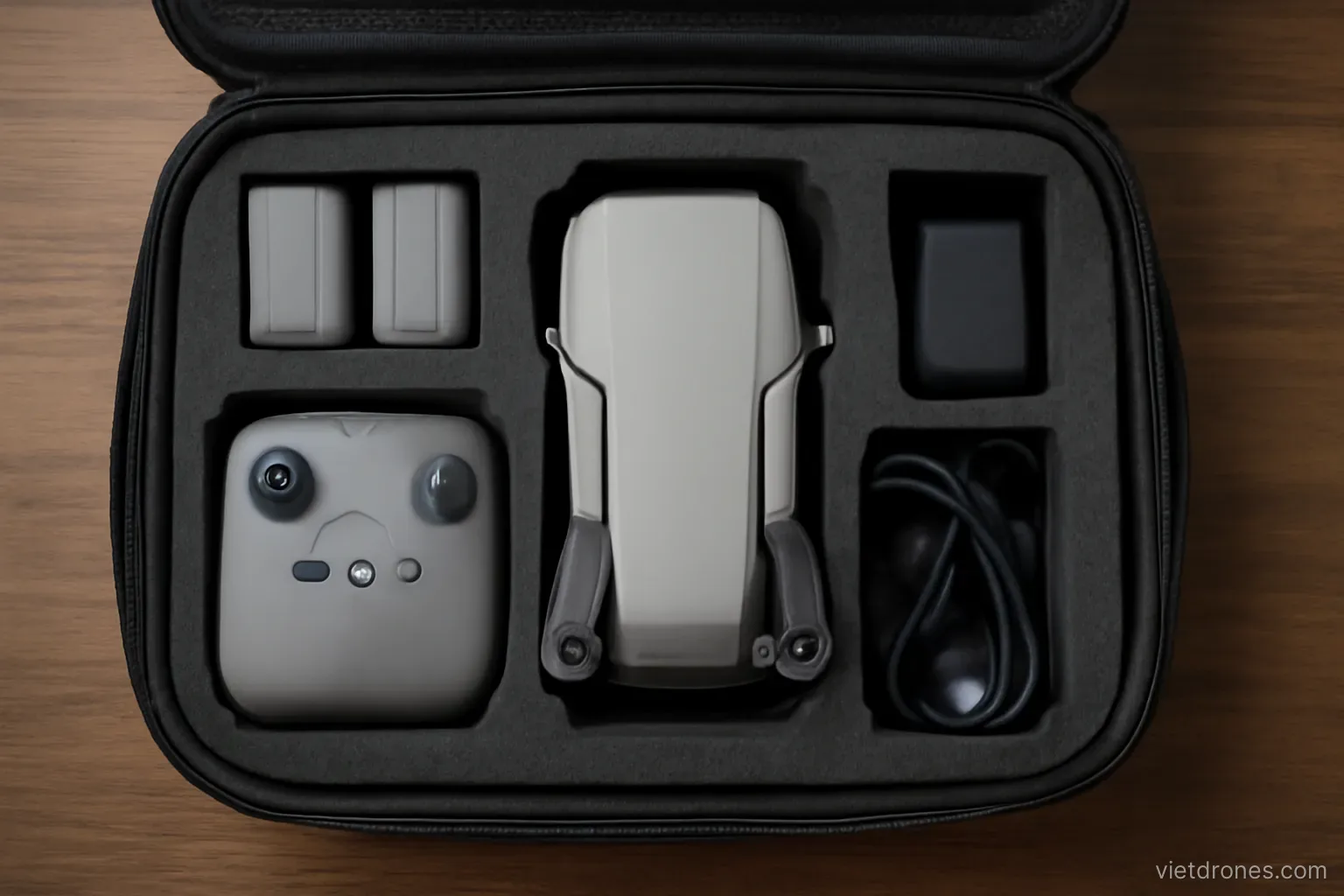
The right bag is the one that gets the drone out of the house. A case that protects perfectly but is too awkward to carry protects a drone that never flies.
Types of carrier
Hard cases protect best. Rigid shell with cut foam, ideal for vehicle transport and storage.
They are heavy and awkward. Rarely the right choice for a walk of any distance.
Shoulder bags are quick. Fast access and good for short trips from a vehicle.
Backpacks carry best. The only sensible option for hiking or long days.
Semi-rigid bags compromise well. Reasonable protection at a fraction of the weight of a hard case.
Manufacturer bags fit precisely. But often only the drone and little else.
Camera bags adapt well. Configurable dividers suit mixed kits.
Consider looking ordinary. A bag that does not advertise expensive equipment is safer in busy places.
Check the bag opens the way you work. A top-loading bag is quick from standing; a clamshell needs a flat surface, which is not always available on location.
Most owners end up with two. A case for storage and transport, a bag for actually going out.
What goes in the bag
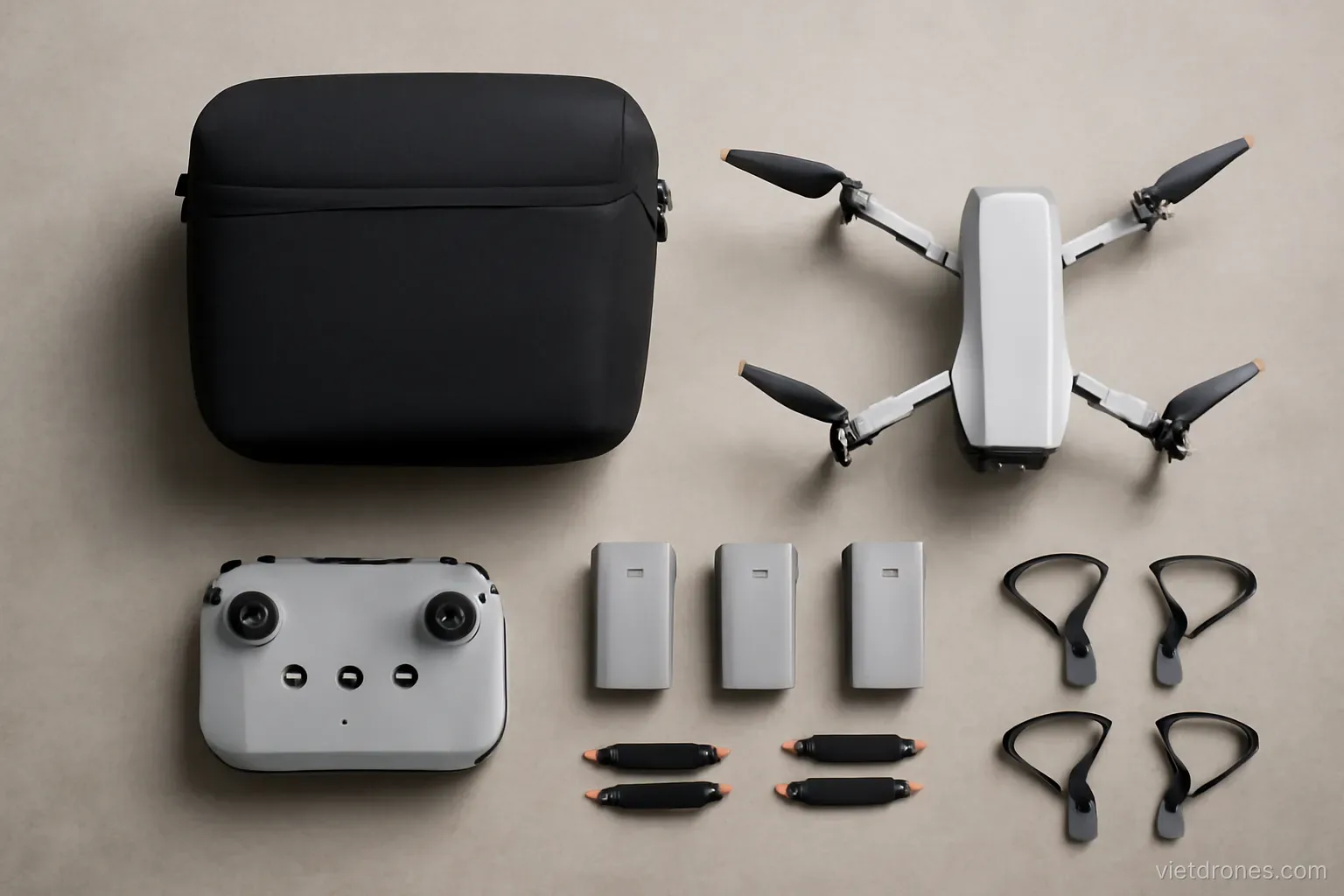
The drone with gimbal guard fitted. Always, without exception.
Controller. With its sticks removed or protected if they detach.
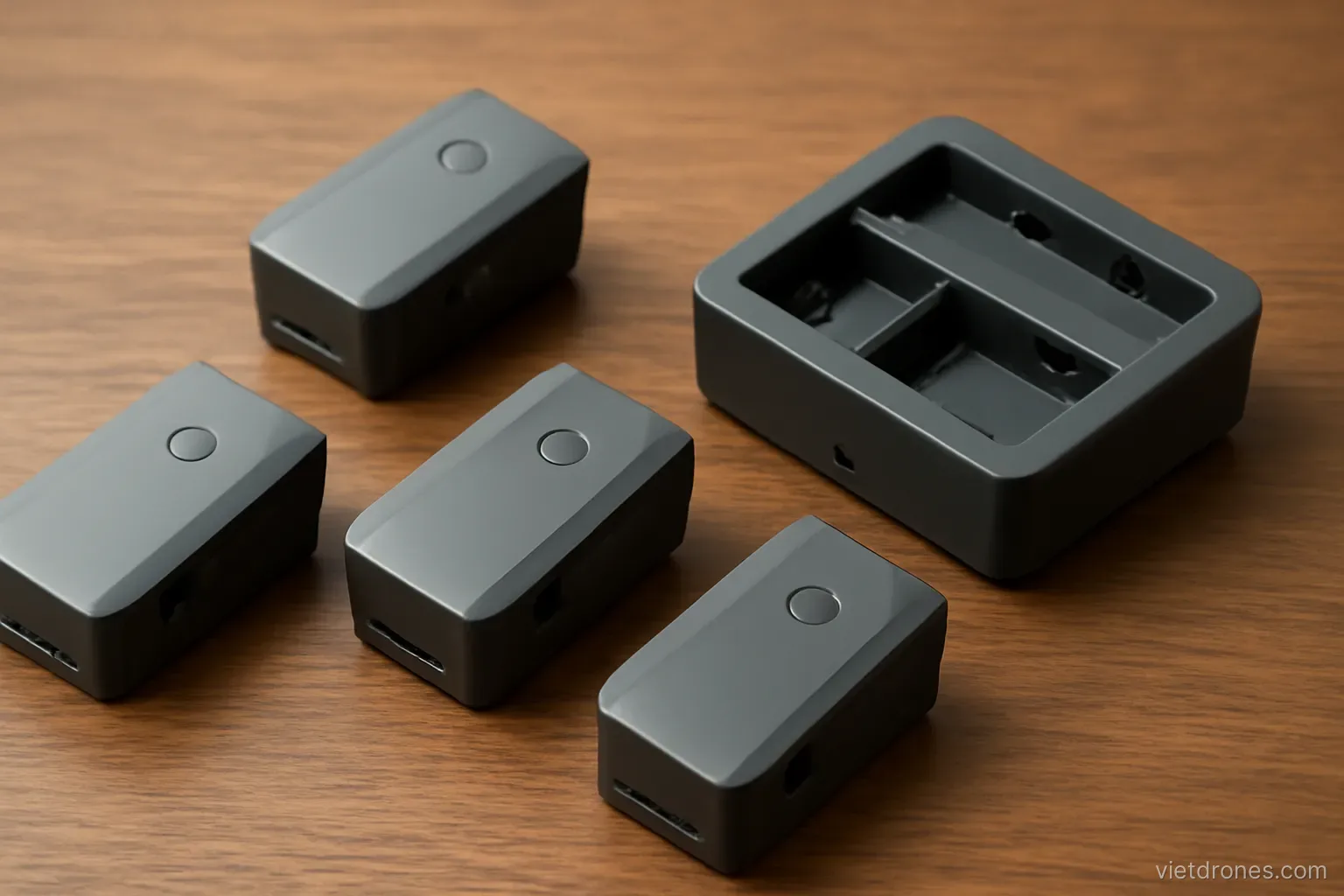
Three batteries minimum. More if the session is long or the location is distant.
Charger and cables. Even for a day trip, in case plans change.
ND filters in a case. Protected from scratching.
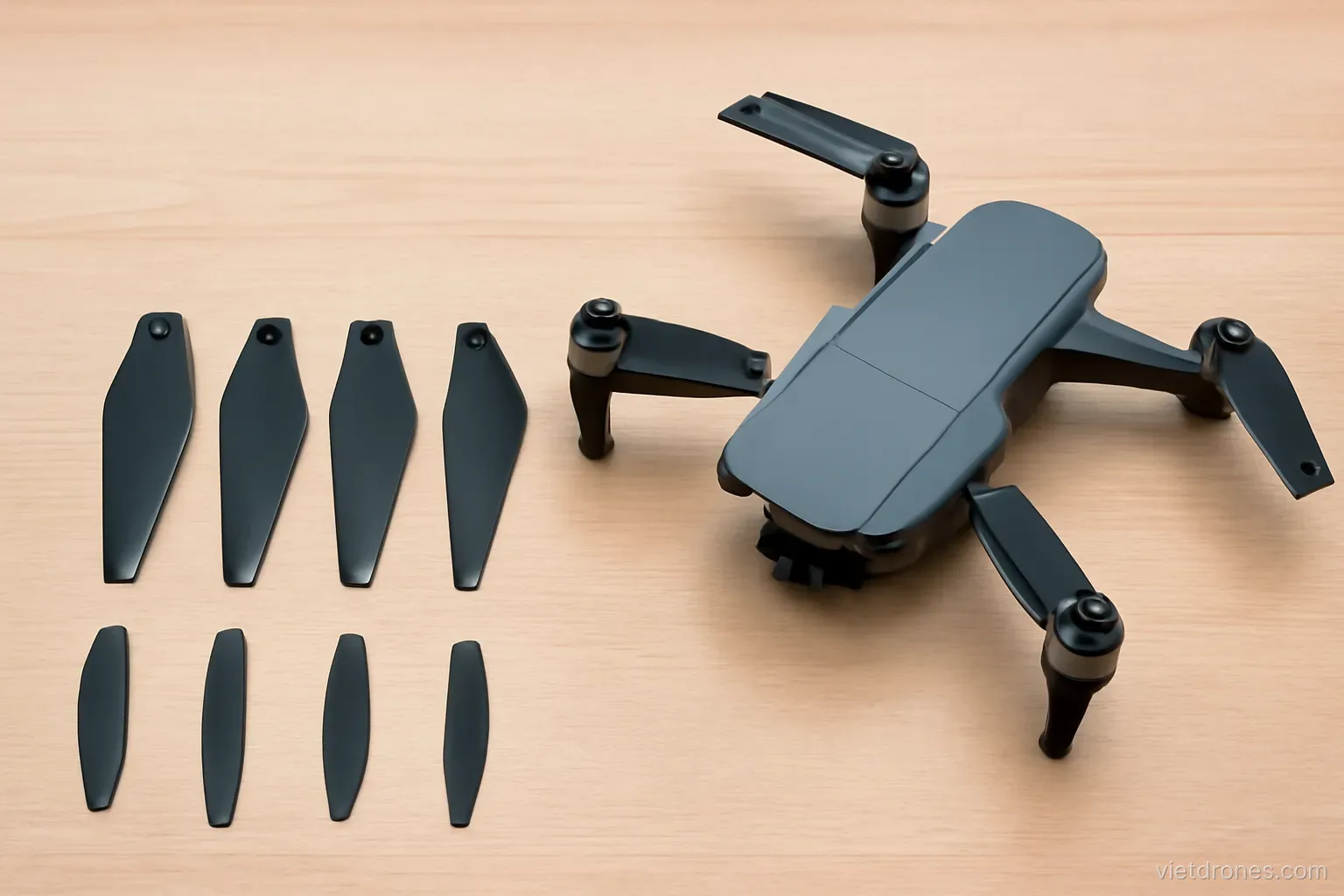
Spare props. A full set, in a hard container.
Memory cards. In a card case, with a clear system for used and unused.
Cleaning cloth and small tools. Weightless and repeatedly useful.
A power bank. The controller and phone both draw power over a long session, and a flat phone ends the flying regardless of battery state.
A landing pad if you have space. It transforms take-off from dusty or wet ground.
Packing for protection
The gimbal is the fragile part. Everything about packing revolves around protecting it.
Guard on before the drone goes in the bag. Not after arriving.
Props folded or removed. Depending on the model's design.
Batteries separately. Not attached to the drone during transport.
Nothing loose in the main compartment. A stray cable or tool can damage the gimbal.
Pad any gaps. Movement inside a bag causes more damage than impact from outside.
Heavy items low and against the back. Standard load-carrying practice makes a backpack much more comfortable.
Keep the drone accessible. Buried at the bottom means fewer spontaneous flights.
Think about how the bag is set down. A bag that tips over when placed on uneven ground puts a shock through everything inside it.
Rain cover or dry bag. Water is a greater risk than impact in many climates.
Organisation that survives contact
One place for everything. Each item always in the same pocket.
Separate charged and empty batteries. Different pockets, or a physical marker.
Separate used and unused cards. Reversing cards in the case is a common convention.
Keep a small checklist. Especially useful when packing in a hurry.
Repack the same way every time. Habit prevents leaving things behind.
Check the bag before leaving the location. A count of items against the checklist.
Photograph the packed bag. Useful for insurance and as a packing reference.
Keep documentation with the kit. Registration, licence and any permissions.
Empty and reset periodically. Bags accumulate rubbish and lose organisation over months.
Transport and security
Drone in the cabin when flying. Along with all batteries.
Never leave a bag visible in a car. Drone bags are recognisable and targeted.
Avoid branded bags in some places. They advertise both value and the presence of a drone.
Secure the bag in the vehicle. Sliding around a boot causes damage over time.
Avoid extreme temperatures. Neither a hot car in summer nor a freezing one overnight.
Keep it dry. Damp storage causes corrosion on contacts over months.
Insure it if it is valuable. Check whether home contents cover extends to equipment away from home.
Record serial numbers. Stored separately from the equipment itself.
Carry it on your front in crowds. A shoulder bag worn behind you in a busy market or station is an invitation, and drone bags are recognisable.
Do not leave it unattended. Not while flying, and not while packing up.
Frequently asked questions
Hard case or backpack?
A hard case protects best for vehicle transport and storage; a backpack is the only sensible option for walking any distance. Most owners end up with both.
What is the most important packing precaution?
Fitting the gimbal guard before the drone goes into the bag, and ensuring nothing loose can move inside the main compartment during transport.
How should batteries be carried?
Separately from the drone, with charged and empty ones in different pockets, and always in the cabin rather than checked baggage when flying.
Why does bag organisation matter?
Because a consistent system prevents items being left behind at locations, and a checklist plus a repack count before leaving catches what habit misses.
More in Flight moves and technique and Safe and legal flying.