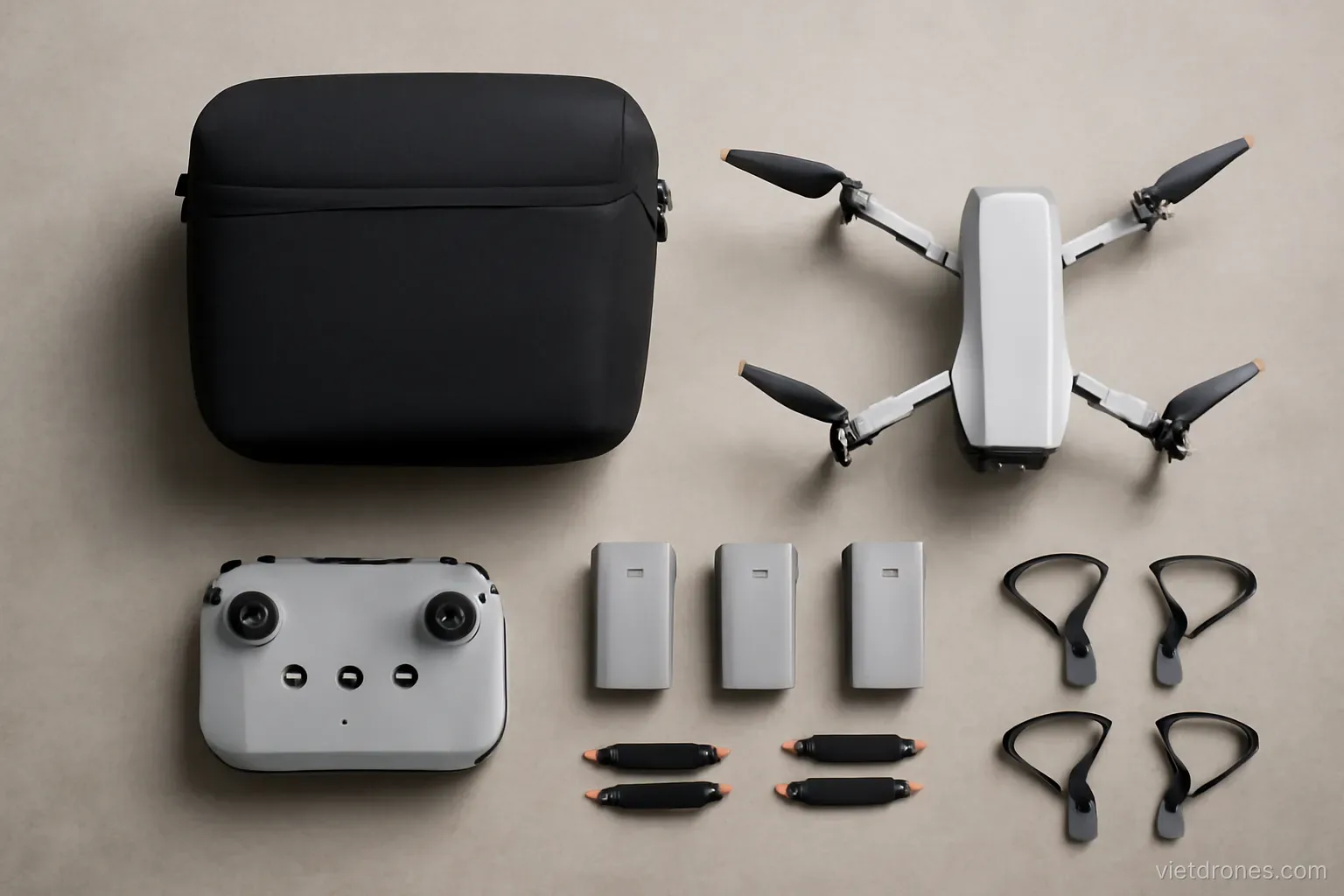
Two pilots with identical drones can carry completely different kits and both be right. What matters is whether the kit matches the flying, and most kits are assembled without that question being asked.
Start from your typical flight
Describe a normal session. Where you go, how you get there, how long you stay.
Count the distance from the vehicle. Everything changes if you walk twenty minutes to a location.
Count the batteries you actually use. Most people fly fewer than they carry.
Note the weather you fly in. Wet climates need protection that dry ones do not.
Note whether you are alone. Solo flying favours a simpler, faster setup.
Note whether you edit on location. A laptop changes the bag entirely.
Be honest about frequency. Equipment for flying you aspire to do is equipment you carry for nothing.
Then build for that. Not for the most demanding session you can imagine.
Adjust after a few months. Real use reveals what is missing and what never comes out.
The minimal travel kit
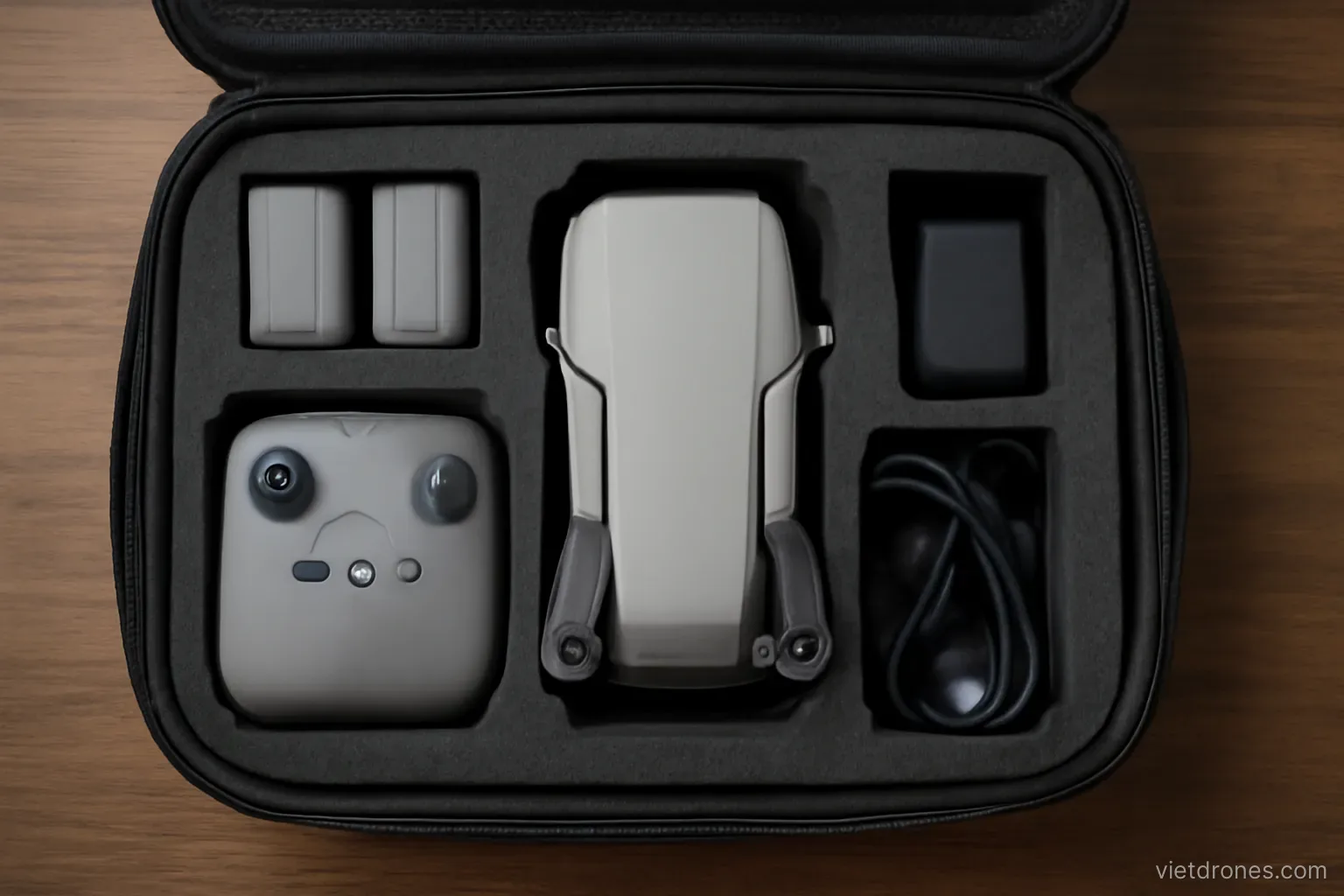
A light drone. The class that fits how you travel.
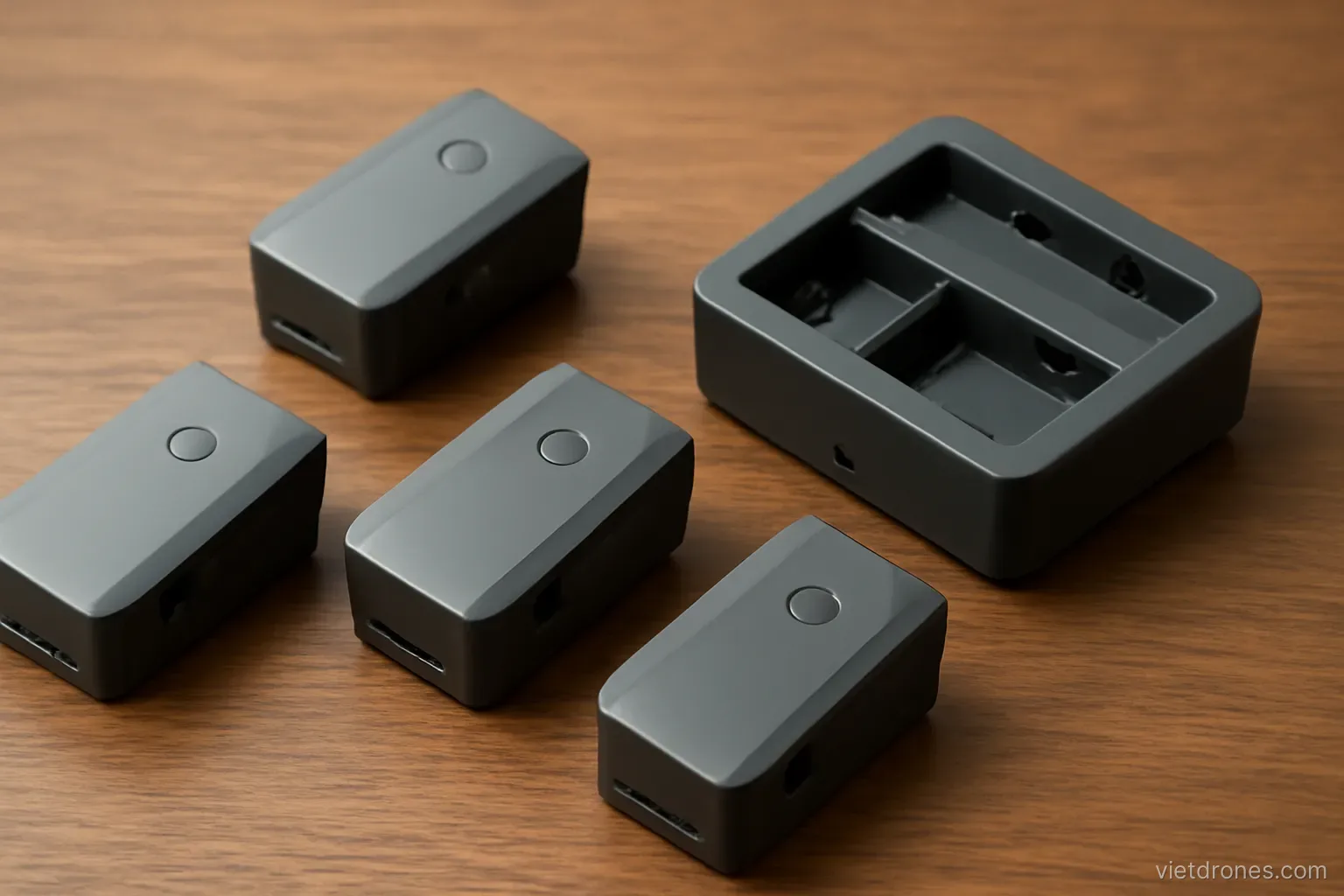
Two batteries. Three if space allows.
One ND filter. The strength that suits typical conditions where you go.
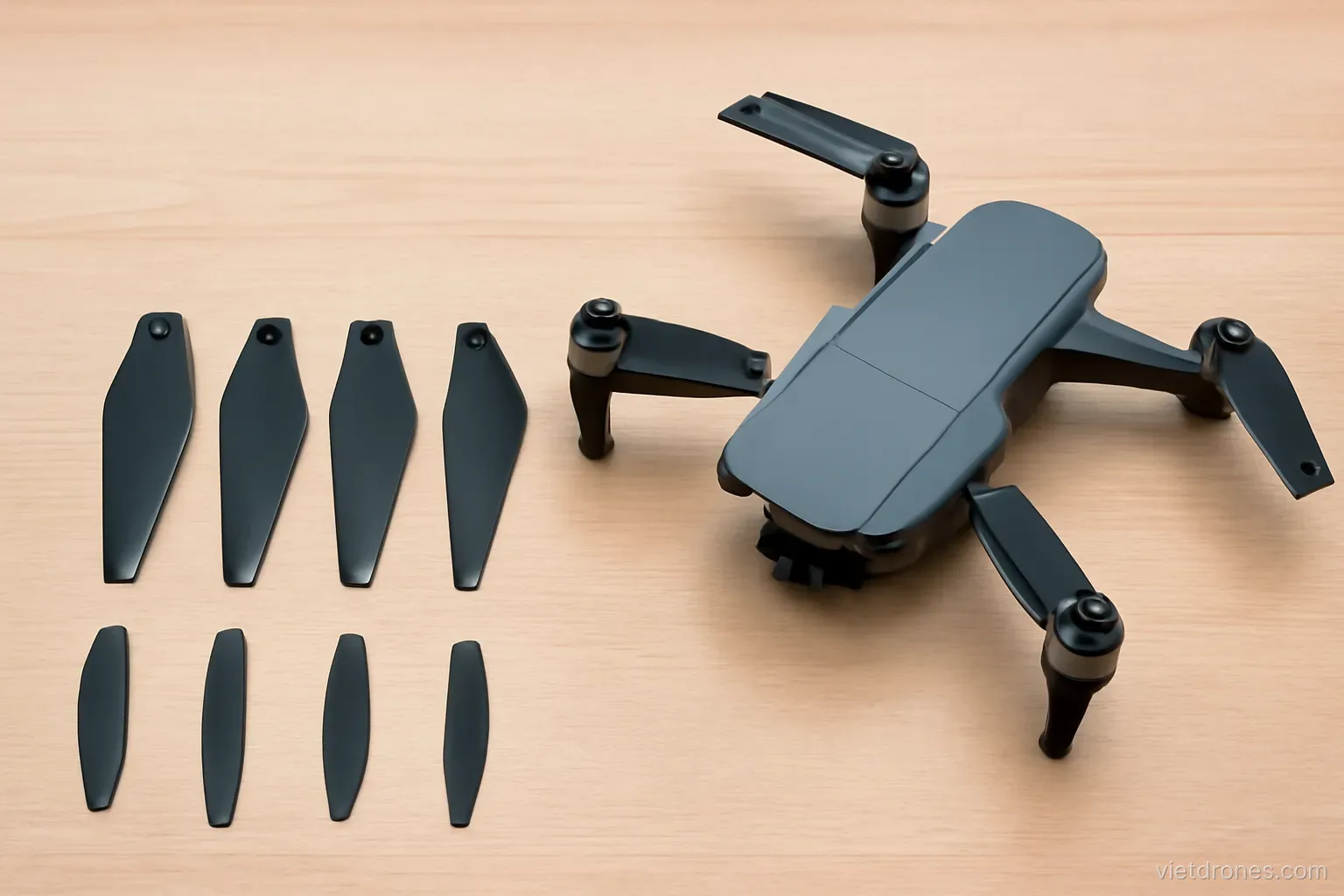
One spare prop set. Flat in a pocket of the bag.
Charger and one cable. A multi-charger is often not worth the space.
Two memory cards. Small enough to disappear, important enough to duplicate.
A cleaning cloth. Weighs nothing, used constantly.
A small pouch. Everything inside one container inside the main bag.
A phone cable that also charges. One cable serving both the controller connection and phone charging removes an item without losing a function.
Nothing else. The discipline is the point, and it keeps the drone coming along.
The standard hobby kit
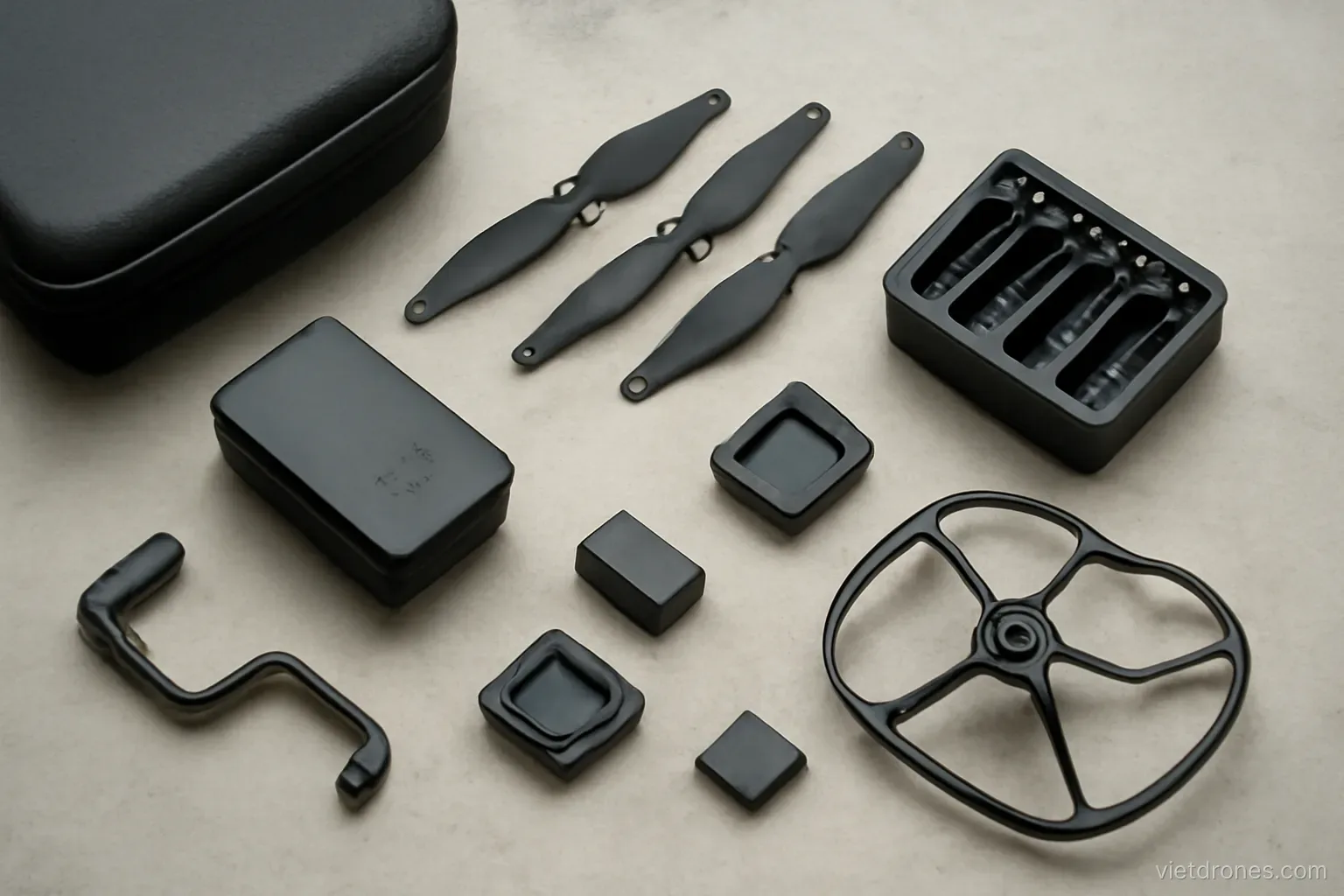
The main drone plus guard and holders.
Three to four batteries. With a charging hub.
A full ND filter set. Covering overcast to bright sun.
Two prop sets. One as a working spare, one held back.
Multiple memory cards. With a clear used and unused system.
A controller sunshade. Fitted, not carried loose.
A landing pad. Folded into the bag or strapped outside.
Small tool set and spare screws.
A card reader and a portable drive. Offloading and backing up on the day, rather than leaving a full card in the bag for a week.
A shoulder bag or backpack. Chosen by how far you walk rather than by capacity.
The working kit
A second aircraft. The defining difference between a hobby kit and a working one, because a failure cannot end the job.
Six or more batteries. Plus a car charger for long days.
Duplicate everything small. Cables, cards, filters, props.
A hard case for transport. Plus a lighter bag for on-site use.
Documentation. Registration, licences, insurance and any permissions, carried physically.
High-visibility clothing and cones or markers. For working near the public.
A laptop and card reader. For backing up on location before leaving.
Portable storage. Two drives, so backups are duplicated the same day.
A landing pad and markers. On a client site they define the operating area and signal to bystanders where not to walk, which is as much about presentation as safety.
A written preflight checklist. Because a working pilot's mistakes have consequences beyond a lost shot.
Maintaining the kit over time
Review it every few months. Remove anything that has not been used.
Replace consumables on a schedule. Props, cards and cables rather than waiting for failure.
Track battery ages. And retire them before they retire themselves mid-flight.
Update firmware between sessions. Never on the morning of a shoot.
Clean everything periodically. Dust in a bag ends up on a lens.
Check documentation validity. Registration and insurance both expire.
Rebuild the bag occasionally. Organisation degrades over months of use.
Keep an inventory. Serial numbers and purchase dates, stored separately.
Note what failed and when. A short record of failures shows which parts wear fastest for the way you fly, and makes restocking predictable.
Add slowly. A kit that grows in response to real problems stays useful; one that grows by shopping becomes luggage.
Frequently asked questions
How should I decide what goes in my kit?
Start from a description of your typical flight — distance walked, batteries actually used, weather, and whether you fly alone — then build for that rather than for an imagined maximum.
What distinguishes a working kit from a hobby kit?
A second aircraft. On paid work an equipment failure cannot be allowed to end the job, which also means duplicating cables, cards, filters and props.
What should a minimal travel kit contain?
A light drone, two or three batteries, one ND filter, a spare prop set, charger and cable, two memory cards and a cloth — and nothing else.
How often should a kit be reviewed?
Every few months. Remove anything unused, replace consumables on a schedule rather than after failure, and check that registration and insurance are still valid.
More in Camera settings and Drone filming services.