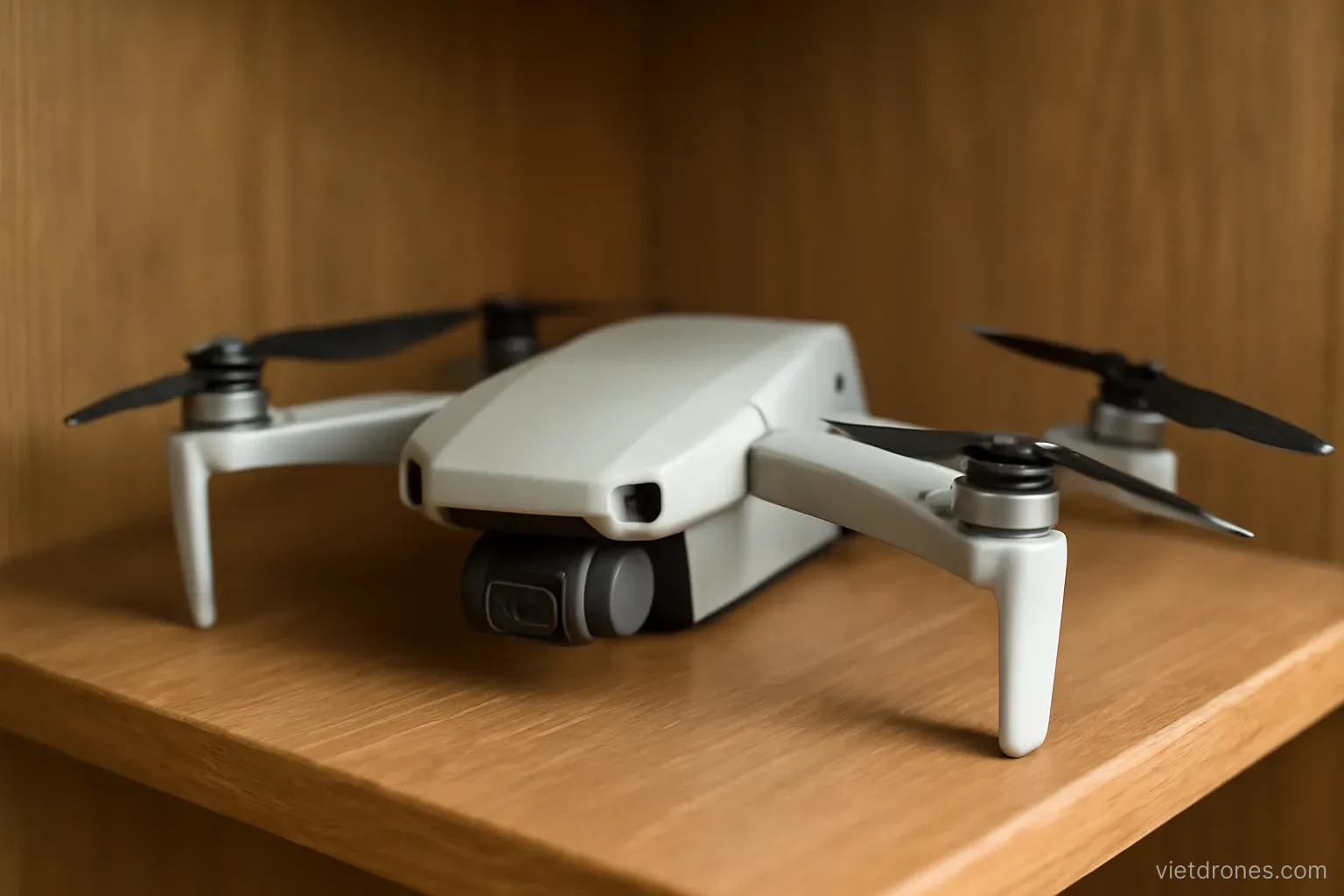
Drones do not usually die of old age. They are lost, crashed, or quietly degraded by neglect between flights. All three are largely within the pilot's control.
Fly conservatively
Leave margins everywhere. Battery, distance, altitude, obstacle clearance and daylight.
Do not fly at the edge of conditions. The marginal-wind flight is where drones are lost.
Avoid the last-shot temptation. More drones are lost on the final flight of a session than any other.
Respect low-battery warnings. They exist because the calculation is better than your estimate.
Keep visual contact. The single habit most correlated with never losing an aircraft.
Do not fly tired. Judgement fails before skill does.
Avoid flying over water without need. Recovery is impossible and the failure rate is not zero.
Skip the risky shot. No single shot is worth the aircraft.
Land early when something feels wrong. An unexplained sound or warning is worth a landing, and the shot can almost always be flown again.
Fly regularly instead of rarely. Regular flying maintains both skill and the equipment's condition.
Manage wear deliberately
Rotate batteries evenly. Rather than always reaching for the same one.
Replace props before they fail. Cheap insurance against expensive consequences.
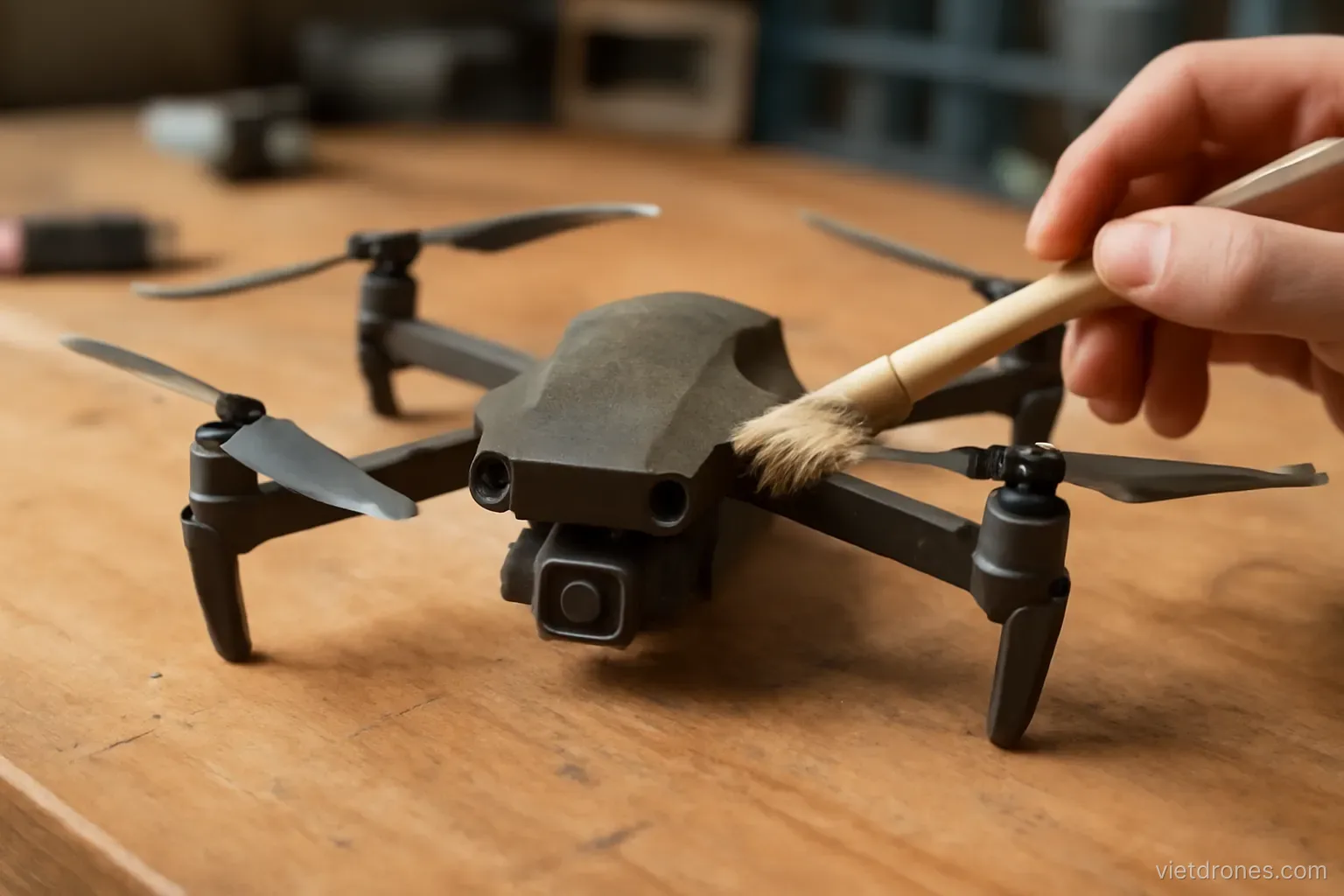
Keep the aircraft clean. Dust in motors and bearings is cumulative and invisible.
Avoid extreme temperatures. Both in flight and in storage.
Limit exposure to salt and sand. Or clean thoroughly immediately afterwards.
Transport it properly. Transport damage is common and entirely preventable.
Do not leave it packed indefinitely. Batteries and rubber components degrade in storage.
Store it assembled but unstressed. Folded arms held under tension for months take a set, and props left mounted under pressure warp permanently.
Watch for early warning signs. Unusual sounds, minor vibration, small handling changes.
Fly it occasionally even when unused. A short flight every few weeks keeps batteries cycled and reveals problems before an important session does.
Act on them promptly. Small problems become large ones in flight.
Keep records
Log flights. Date, location, conditions and duration.
Log battery cycles. Or use the app's counter and check it periodically.
Log maintenance. Prop changes, calibrations and repairs with dates.
Log incidents. Every contact, however minor, with what followed.
Note firmware versions. And whether behaviour changed after an update.
Keep purchase records. For warranty and for insurance.
Record serial numbers. Stored separately from the equipment.
Review the log occasionally. Patterns show up that individual incidents do not.
Keep photos of the condition. Periodic photographs document wear over time and support both insurance claims and an honest resale listing.
It takes a minute per flight. And it makes both maintenance and resale far easier.
Software and support
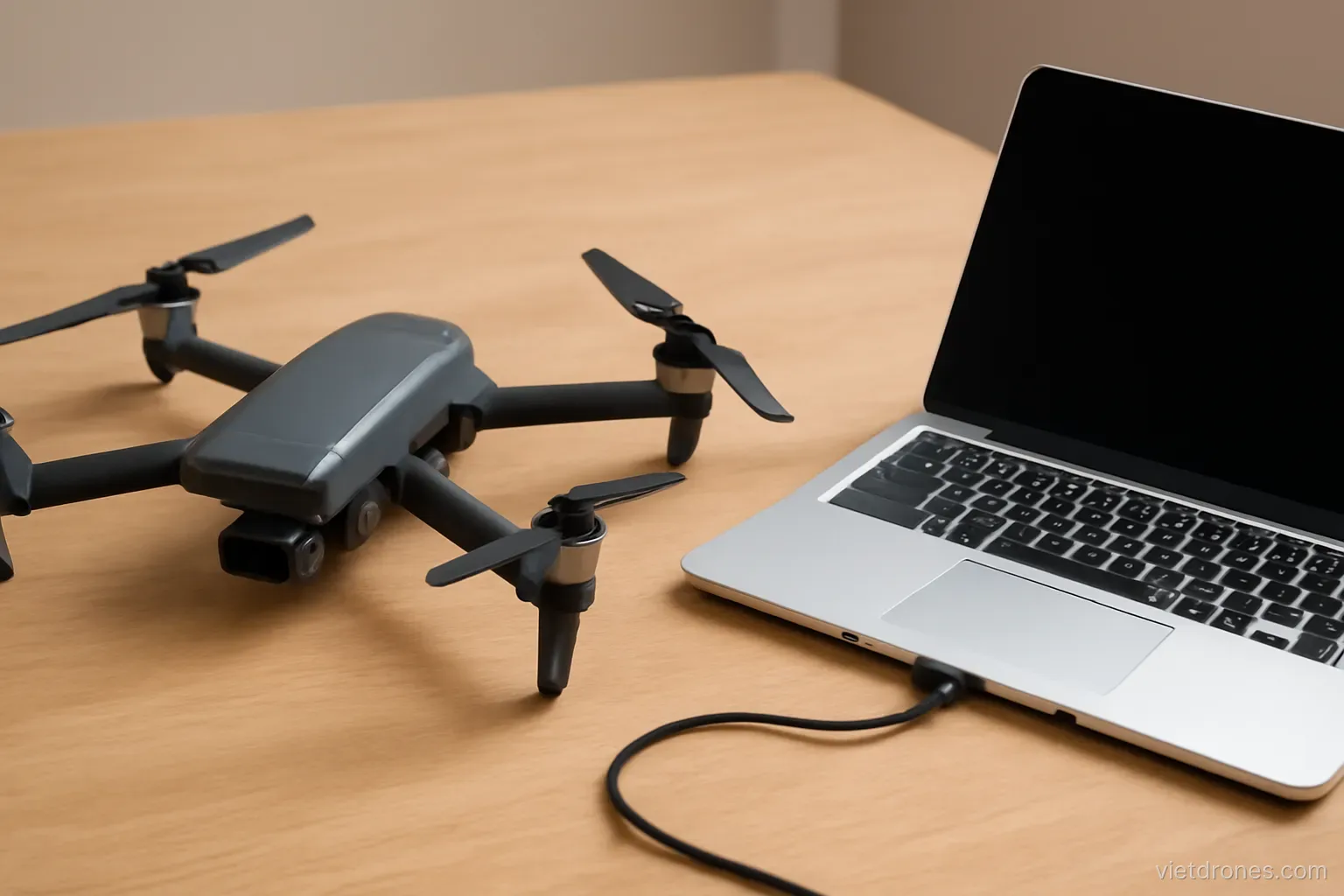
Update firmware deliberately. Between sessions, never before a shoot.
Read what changed. Occasionally an update alters behaviour you rely on.
Do not skip many versions. Large jumps are more likely to fail.
Keep the app updated too. Mismatched versions cause connection problems.
Back up settings if possible. Some configurations are tedious to recreate.
Watch for end of support. Older models eventually lose app compatibility, which effectively retires them.
Keep a compatible device. An old phone that runs the app version you need.
Know the community resources. Forums often solve problems faster than official channels.
Keep a copy of the manual. Downloaded rather than bookmarked, since manufacturer sites eventually remove documentation for discontinued models.
Register the product. It simplifies warranty and support considerably.
Knowing when to retire it
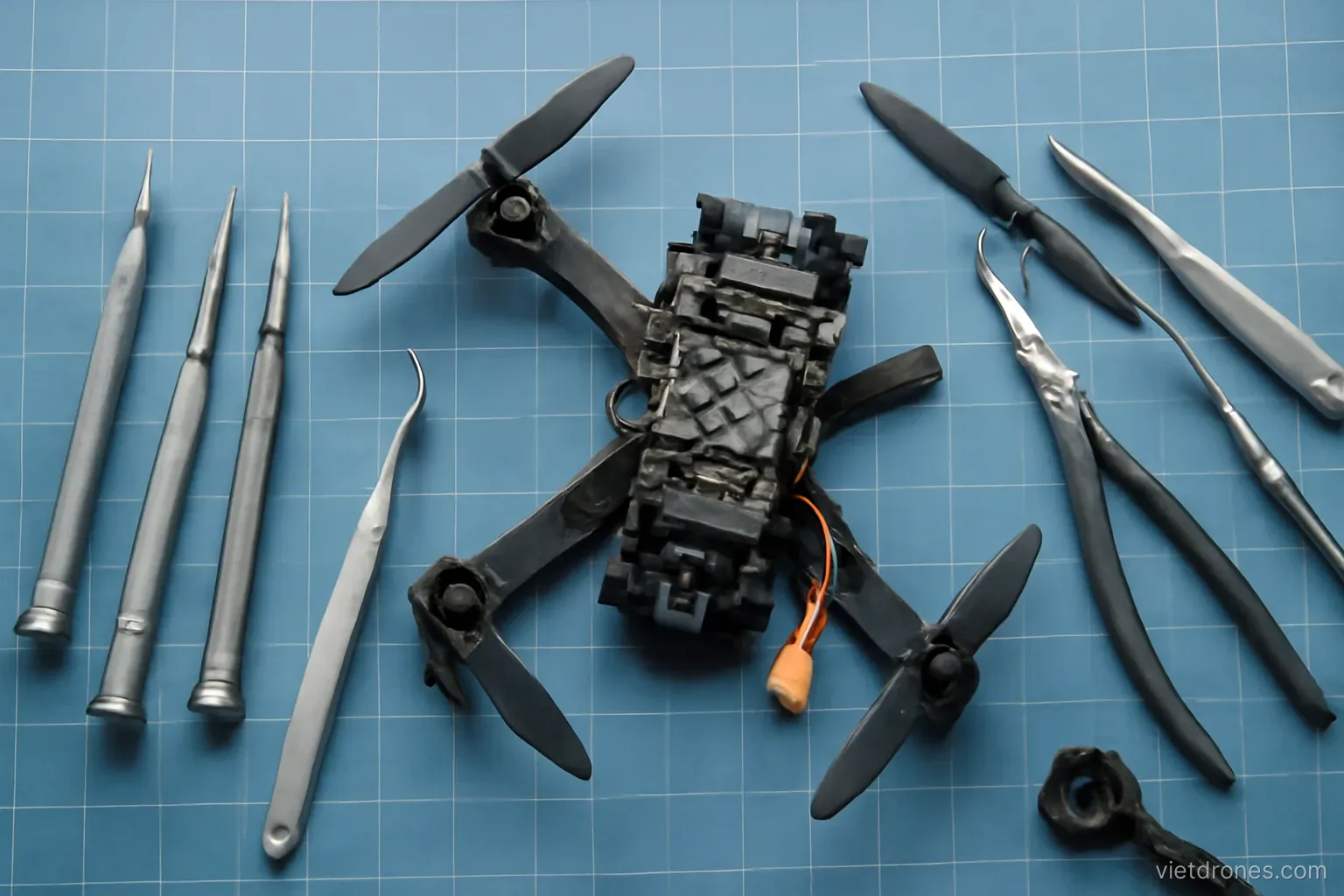
When repairs exceed value. The clearest signal.
When reliability becomes doubtful. A drone you do not trust is not usable.
When batteries are unobtainable. This retires more aircraft than mechanical failure.
When app support ends. Effectively the end regardless of condition.
When your needs have outgrown it. Fighting equipment limits wastes time.
Sell honestly. Disclose crash history and battery condition, which is both right and better for your reputation.
When parts stop being made. A model whose props and shells are no longer manufactured cannot be maintained, whatever its current condition.
Keep it as a backup. An older aircraft has real value as a second drone.
Or keep it for practice. Learning risky moves on the expendable aircraft.
Sell while it still has value. Waiting until an aircraft is obsolete means the decision is made for you and the resale value has already gone.
Dispose of it responsibly. Batteries and electronics both need proper recycling routes.
Frequently asked questions
When are drones most often lost?
On the last flight of a session and in marginal wind conditions. Both come from stretching margins rather than from equipment failure.
What should a flight log record?
Date, location, conditions, duration, battery cycles, maintenance actions and every incident however minor. A minute per flight makes patterns visible.
When should firmware be updated?
Between sessions and never before a shoot, avoiding large version jumps and keeping the controller app updated to a matching version.
What most commonly retires a drone?
Battery availability and the end of app support, rather than mechanical failure. Either can end a perfectly sound aircraft's working life.
More in Flight moves and technique and Camera settings.