Most people choose a first drone by comparing numbers, then discover that none of those numbers describe the flying they end up doing. A better starting point is the question of what you want to come home with.
Start from the footage, not the drone
Decide what you want to film. Landscapes, family trips, property, sport. Each pulls in a different direction.
Travel changes everything. If the drone lives in a backpack, size and weight beat every other spec.
Video or stills. Some people mostly take photographs and never edit a video. That changes what matters.
Where you fly. Coastal wind, mountain valleys and city edges all stress a small drone differently.
How often you fly. A drone flown twice a year does not justify the same budget as one flown weekly.
Who else is around. Filming near people means you want reliability more than range.
What you will publish. Social clips need far less than a paid client deliverable.
Be honest about ambition. Most buyers overestimate how much they will fly in the first year.
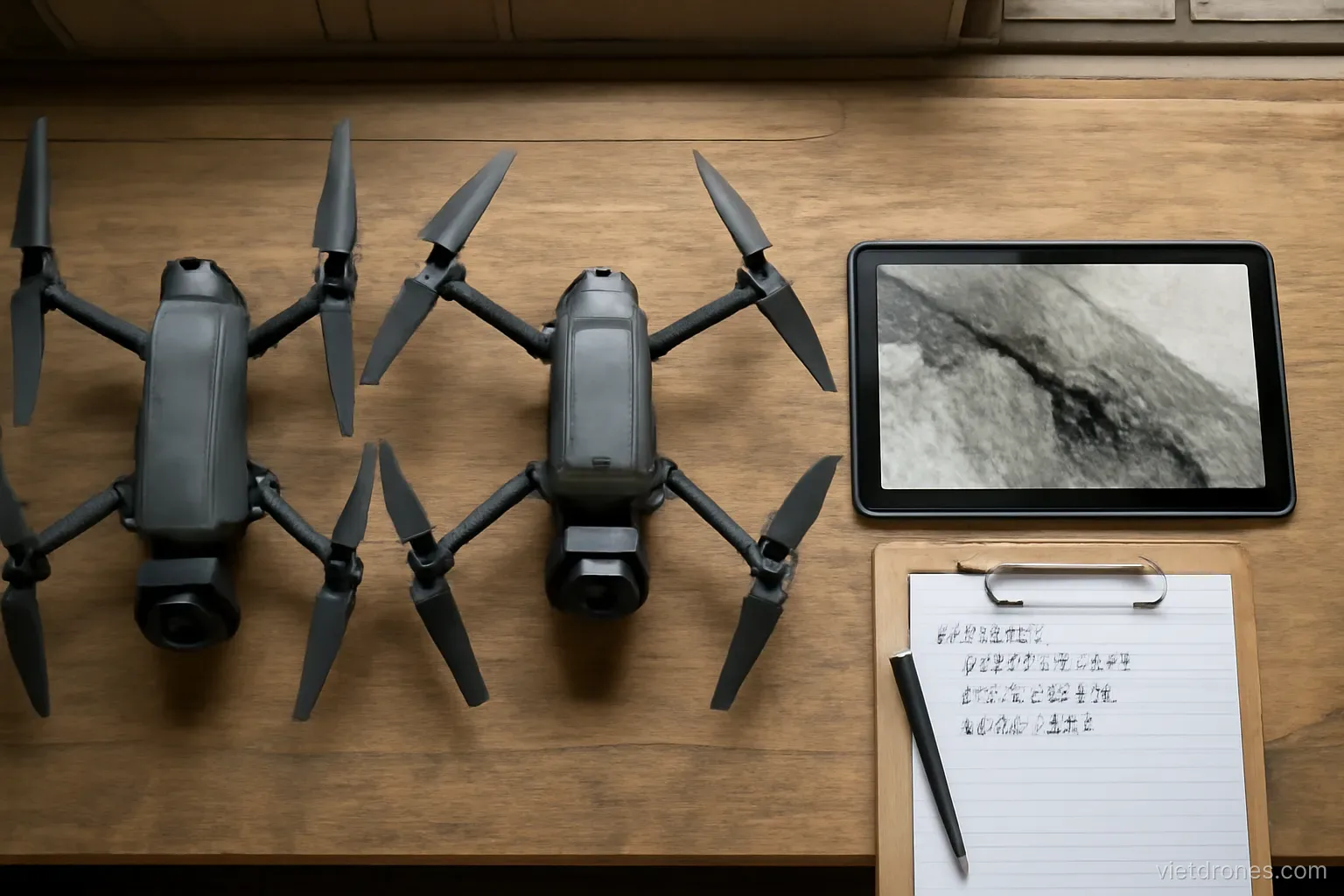
Write it down. Three sentences describing your typical flight. Then compare models against that, not against each other.
Specs that actually matter
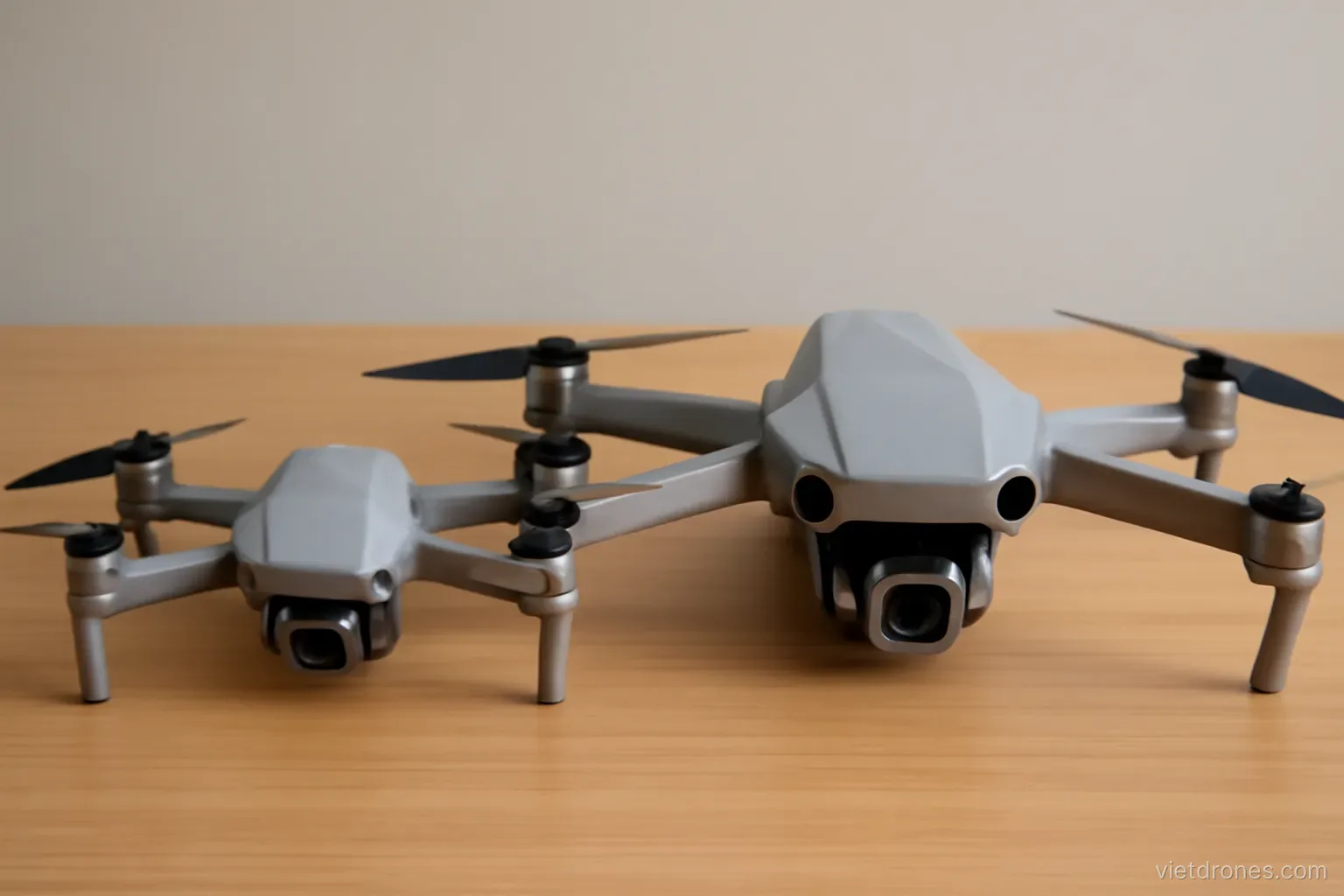
Weight class. It affects wind handling, portability and which rules apply to you. This is the single most consequential choice.
Sensor size. Matters more than megapixels, especially in low light and at sunrise or sunset.
Gimbal quality. A stabilised camera is the difference between footage and shaky video. Digital stabilisation is not equivalent.
Flight time. Treat the advertised figure as optimistic. Real flying is shorter, and shorter again in wind.
Transmission reliability. Not maximum range. You will rarely fly to the limit, but you will fly behind trees.
Obstacle sensing. Useful, and never a substitute for looking. It does not see thin wires.
Wind resistance rating. Read it and respect it, because it is the number that decides whether the drone comes back.
Noise. Rarely listed, always noticed by everyone nearby.
Ecosystem. Battery availability, spare props, service support in your country.
Specs that mislead
Maximum range. Impressive numbers that legal and practical flying never approach.
Top speed. Irrelevant for cinematic footage, which is flown slowly.
Maximum altitude. Limited by rules long before it is limited by the aircraft.
Megapixel count. A large number on a tiny sensor produces noisy images.
Digital zoom. It crops. It does not add detail.
Number of sensors. Coverage and reliability matter more than the count.
Advertised flight time. Measured in ideal conditions with no wind and no hovering.
Bundled accessories. Extra props and a bag are cheap. They should not decide a purchase.
Bit rate alone. It means little if the sensor and lens cannot resolve the detail.
Budget planning
The drone is not the whole cost. Plan for roughly a third more.
Extra batteries. Two spares minimum. One battery is a fifteen-minute hobby.
Memory cards. Fast enough for the highest video mode, and more than one.
ND filters. Inexpensive and they change how footage looks more than most upgrades.
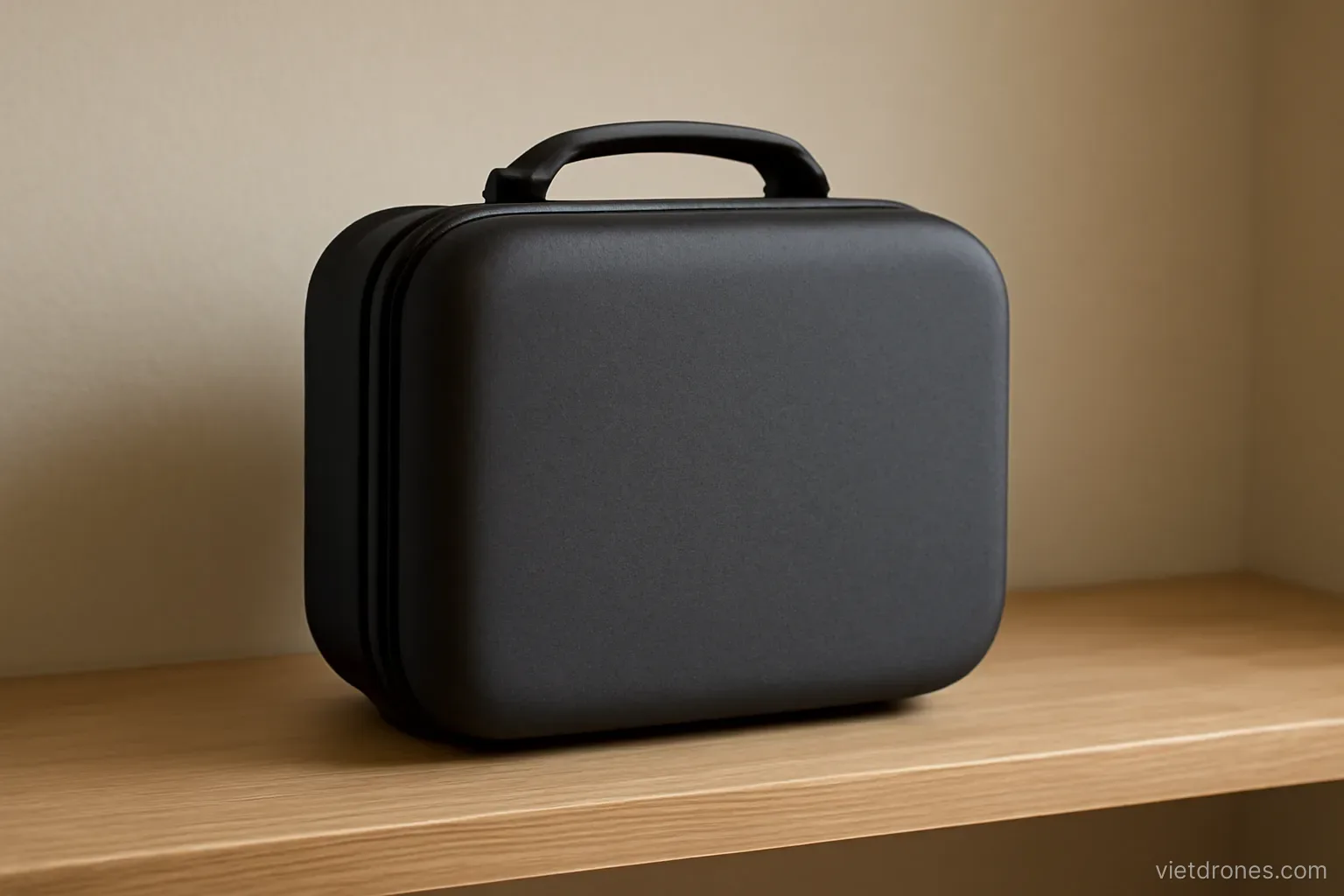
A case. Transport damage is a common and avoidable expense.
Spare propellers. They are consumables, not spares.
Storage. Aerial video fills drives quickly, and it needs backing up.
Coverage or care plan. Worth costing out during the first year.
Leave room to fly. Spending everything on the body and nothing on batteries is the classic first mistake.
Common buying mistakes
Buying the top model first. Skills, not equipment, limit early footage.
Buying the cheapest toy. Poor stabilisation teaches bad habits and produces unusable video.
Ignoring size. A drone too bulky to carry stays at home.
Ignoring the rules that apply to the weight class. Find out before you buy, not after.
Buying used without checking. Crash history and battery health are invisible in photographs.
Grey imports. Cheaper until you need service or a spare part.
Forgetting the controller. Screen quality and ergonomics shape every flight.
Waiting for the next model. There is always a next model. Meanwhile you are not flying.
Overlooking service availability. A model with no local repair option means every fault becomes an international shipping exercise, and weeks without a drone.
Buying for a trip next week. You need hours of practice before the trip, not the day before it.
Frequently asked questions
Which single specification matters most for a first drone?
Weight class. It determines wind handling, portability and which rules apply to you, and those consequences outlast every other number on the sheet.
Is a higher megapixel count better?
Not on its own. Sensor size matters more, because a high pixel count on a small sensor produces noisy images, especially at sunrise and sunset.
How much should I budget beyond the drone itself?
Roughly a third more, covering spare batteries, fast memory cards, ND filters, a case and propellers. Spare batteries are the least optional item.
Should a beginner buy the most capable model available?
Usually not. Early footage is limited by skill rather than equipment, and a smaller drone that travels easily gets flown far more often.
More in Flight moves and technique and Care and repair.