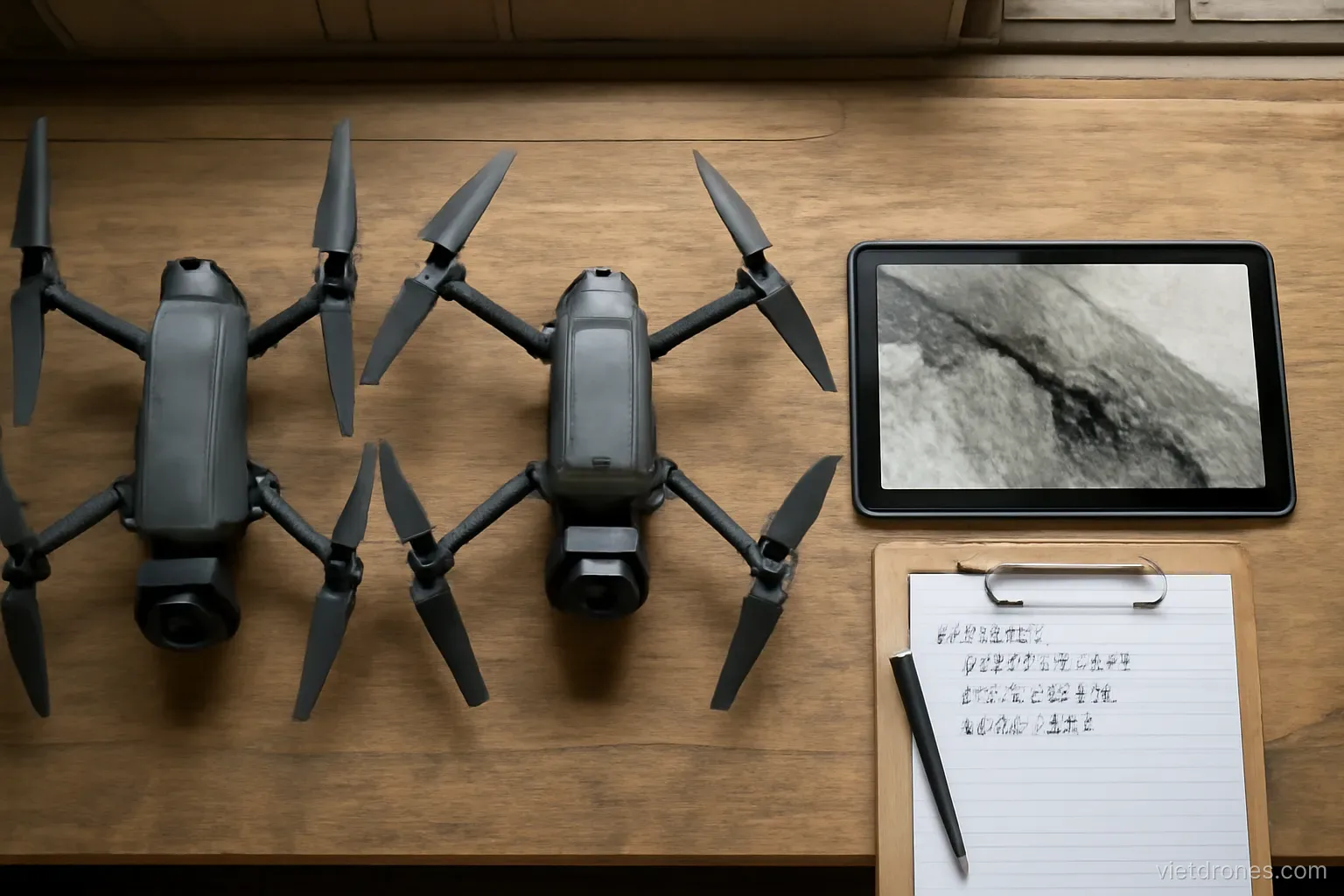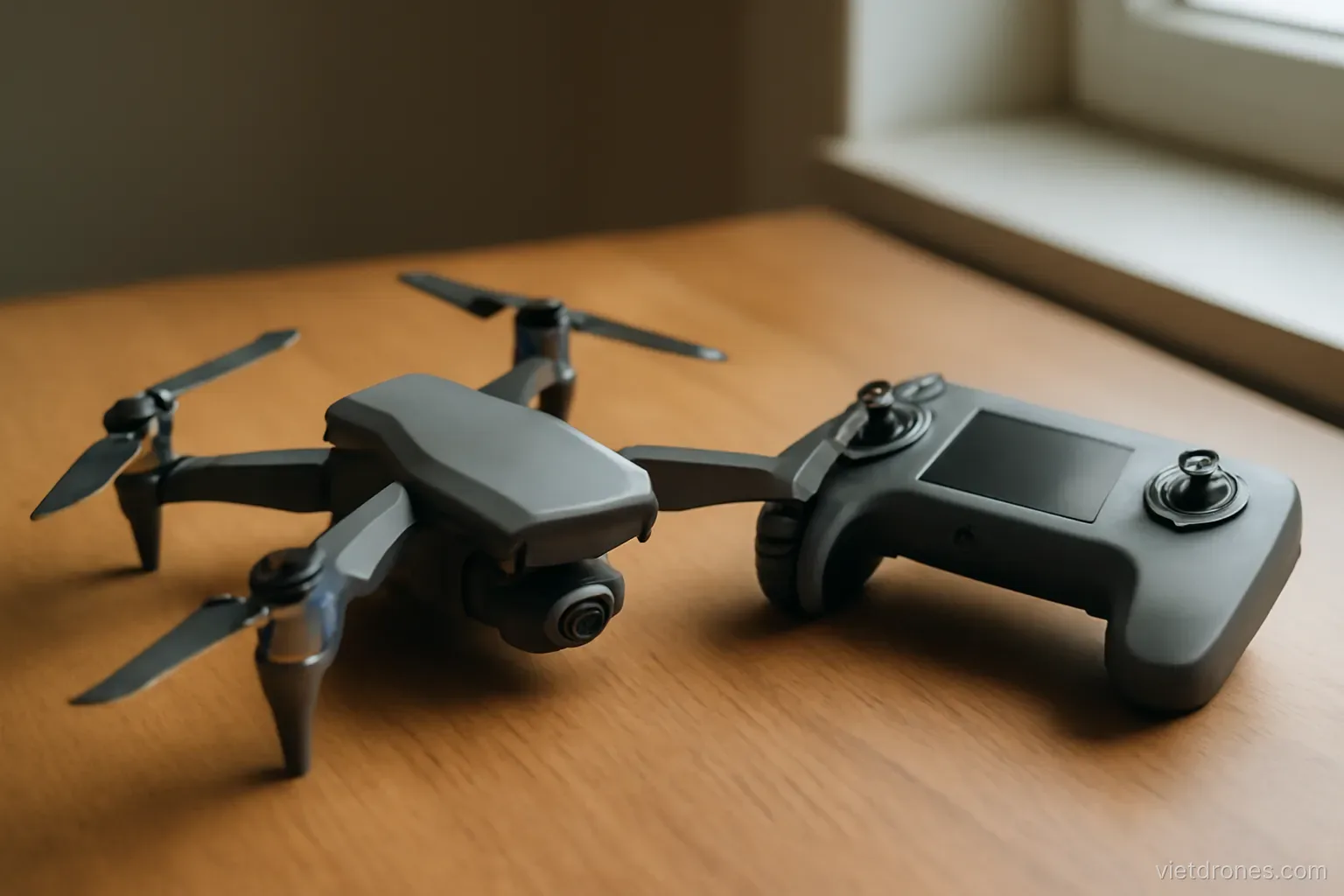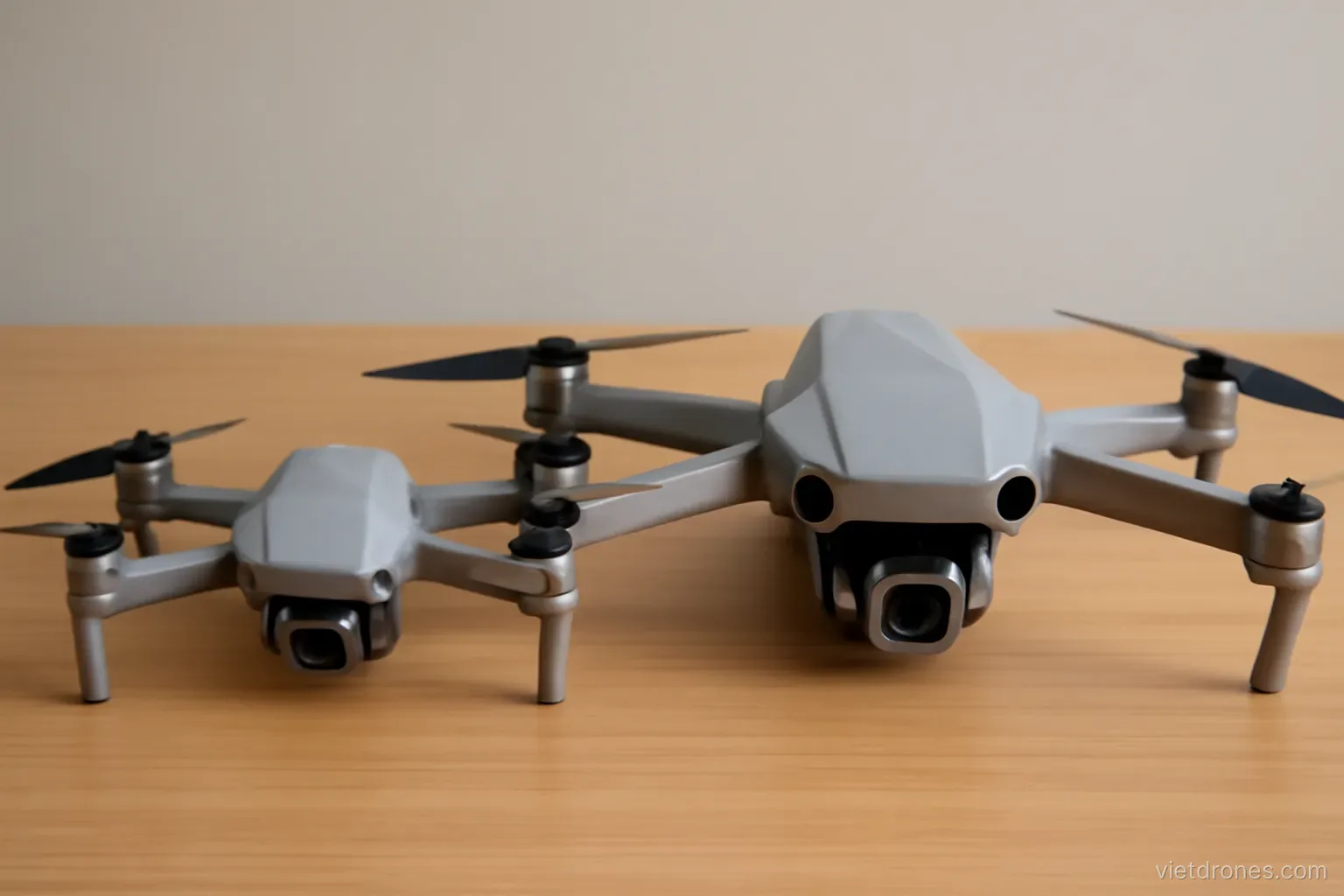
A surprising number of drones are flown fewer than ten times before they go into a cupboard. It is worth asking, before spending, whether ownership is really the thing you want.
Signs that buying makes sense
You will fly regularly. Monthly at minimum, not once a year on holiday.
You enjoy the flying itself. Not only the resulting footage.
You want to learn. Ownership is the only way to build real skill.
Your needs are unpredictable. Spontaneous shooting is impossible to arrange with a hire.
You have somewhere to fly. Accessible open space near home matters more than people expect.
You will edit the footage. Unedited aerial video is rarely watched twice.
You have time. Flying, editing and maintenance all consume it.
The budget is comfortable. Including accessories and the chance of a crash.
You accept the responsibility. Rules, safety and other people's privacy come with the box.
Signs that buying does not
One specific project. A single property, a single event, a single video.
You only want the footage. If flying does not appeal, ownership is a chore.
You live where flying is restricted. Dense urban centres near airports leave few options.
You travel constantly by air. Battery transport rules are a persistent nuisance.
The budget is stretched. A drone bought at the limit cannot be replaced when it falls.
You need broadcast quality now. Skill takes months, and a professional already has it.
You are not interested in the rules. That interest is not optional.
You have no time to practise. An unpractised pilot with an expensive drone is a bad combination.
You dislike dealing with equipment. Firmware updates, calibration and battery care are recurring chores that never fully go away.
You are buying because others have one. That reason does not survive the second month.
Renting as an option
Try before committing. A weekend rental answers questions no review can.
Access to better equipment. Fly something well beyond your budget.
No maintenance burden. Someone else handles wear and service.
No storage or battery care. Batteries are the most annoying part of ownership.
Good for one-off needs. A single event or trip.
Check what insurance covers. Before you fly, not after.
Learn the aircraft first. An unfamiliar drone plus an important shoot is a poor combination.
Costs add up. Beyond three or four rentals, buying wins.
Deposits can be substantial. Often close to the value of the aircraft, which is worth knowing before you plan the budget for a trip.
Availability is limited. Rental options remain thin in many places.
Hiring an operator
You get results, not a hobby. The right choice when the footage is the point.
They already have the skill. Years of practice you do not have to acquire.
They handle permissions. A significant burden lifted.
They carry insurance. Their risk, not yours.
They have backup equipment. A failure does not end the shoot.
They deliver edited work. Often the most time-consuming part.
Cost per project is higher. But cost per usable minute is often lower.
Less spontaneity. Everything needs scheduling.
They know the locations. An experienced local operator usually knows which viewpoints work, which are restricted, and what time of day each one looks best.
Best for. Business use, weddings, property listings and anything where a poor result is not acceptable.
Deciding honestly
Count the real occasions. How many times last year would you actually have flown.
Cost per flight. Divide total cost by that number. The result is often sobering.
Ask about the editing. Do you enjoy it, or will the files sit untouched.
Consider a smaller drone. The compromise most people should make.
Borrow one first. A friend's drone for an afternoon is the cheapest research available.
Watch raw footage. Unedited amateur video is what your files will look like at first.
Wait a month. Enthusiasm that survives a month is usually real.
There is no wrong answer. Not buying is a legitimate outcome of thinking clearly.
Talk to someone who owns one. Ask how often they actually fly now compared with the first month, and what they would buy differently.
And if you do buy, commit. Learn it properly, fly it often, and it repays the decision.
Frequently asked questions
When does renting beat buying?
For one-off needs, for trying an aircraft before committing, and for accessing equipment beyond your budget. Beyond three or four rentals, buying wins.
When is hiring an operator the better choice?
When the footage is the point rather than the flying — business use, weddings and property listings, where a poor result is not acceptable.
How can I judge whether I will actually use a drone?
Count how many times in the past year you genuinely would have flown, divide the total cost by that number, and look honestly at the result.
What is the cheapest way to research the decision?
Borrow a friend's drone for an afternoon, and watch unedited amateur aerial footage — that is what your own files will look like at first.
More in Camera settings and Batteries and accessories.