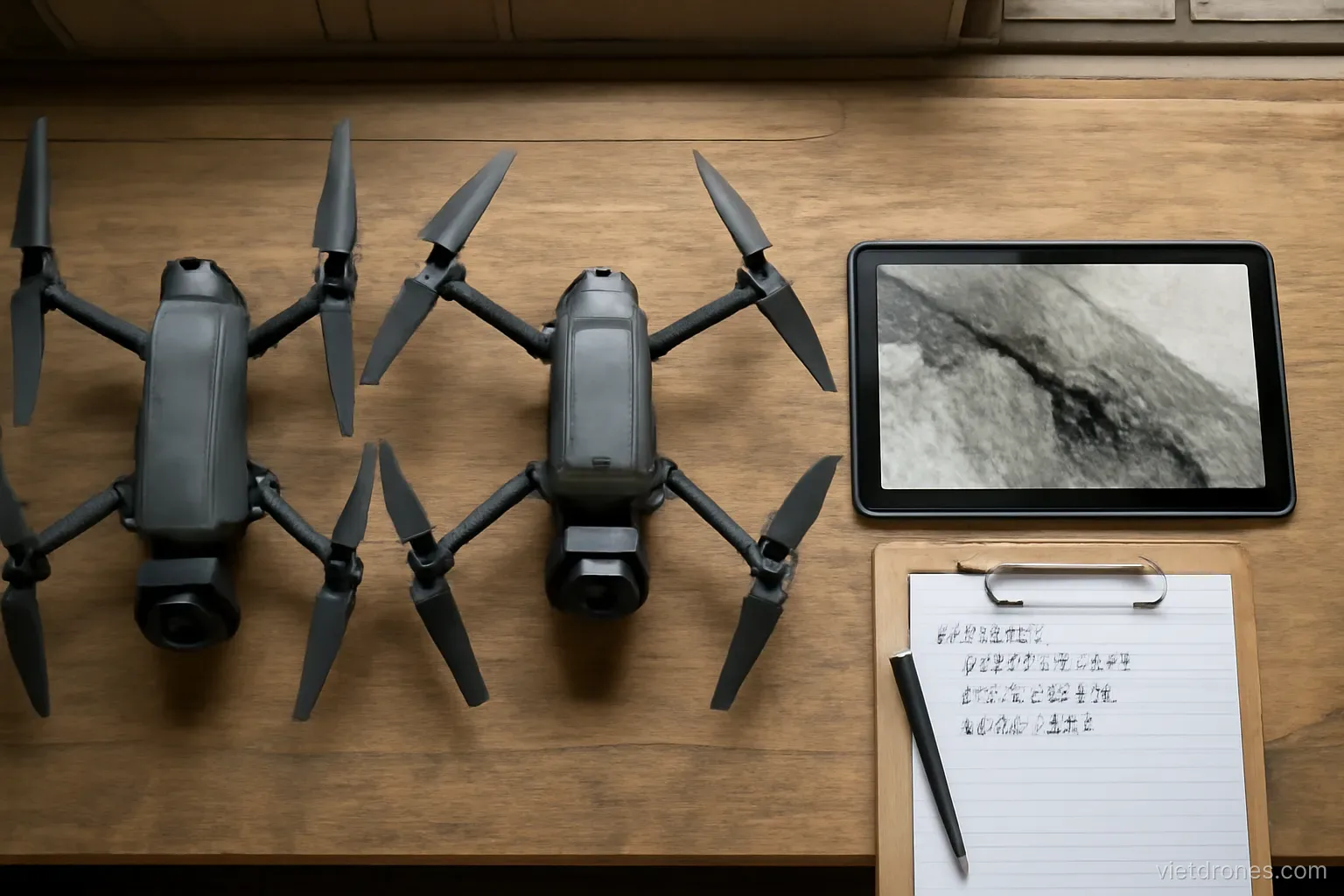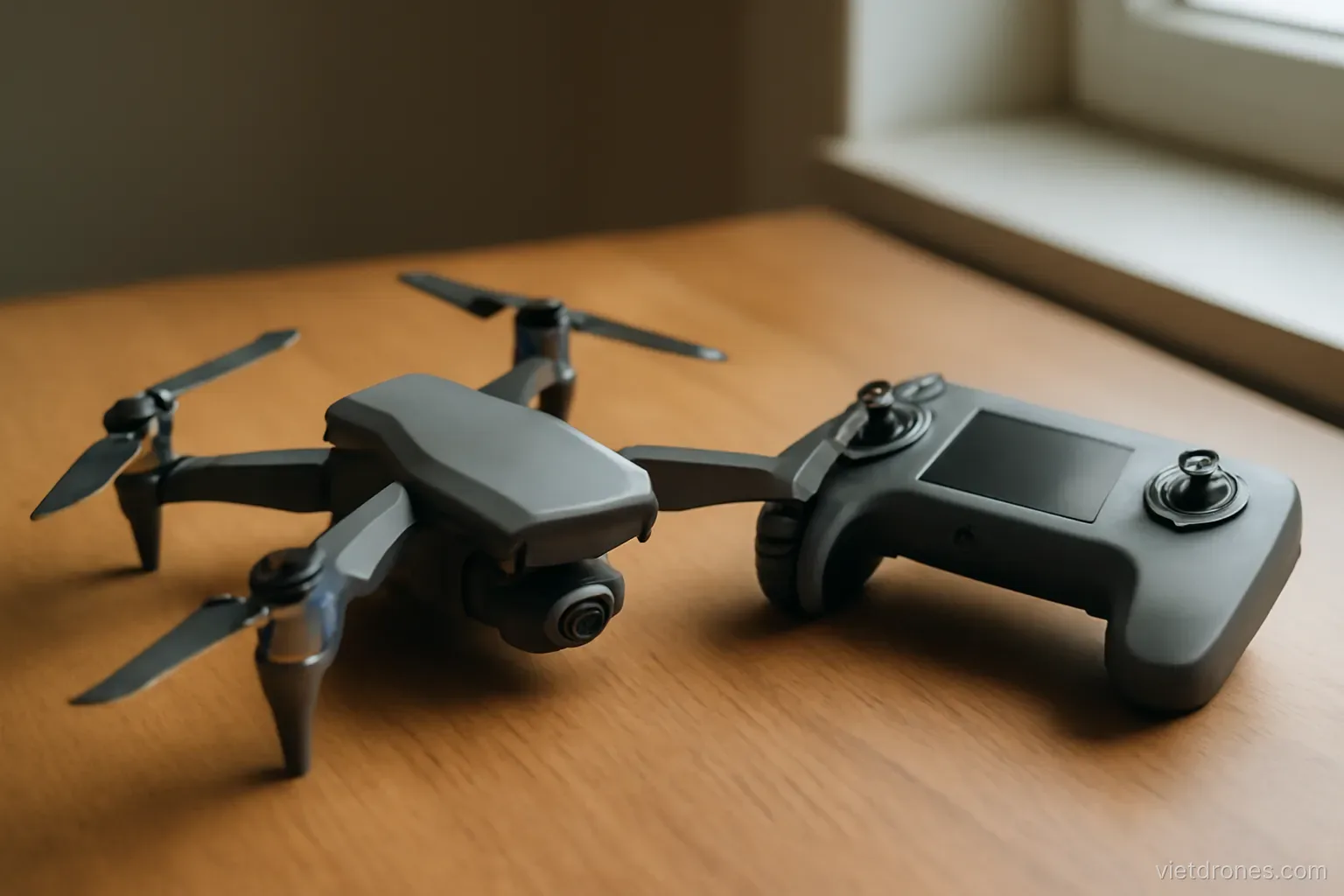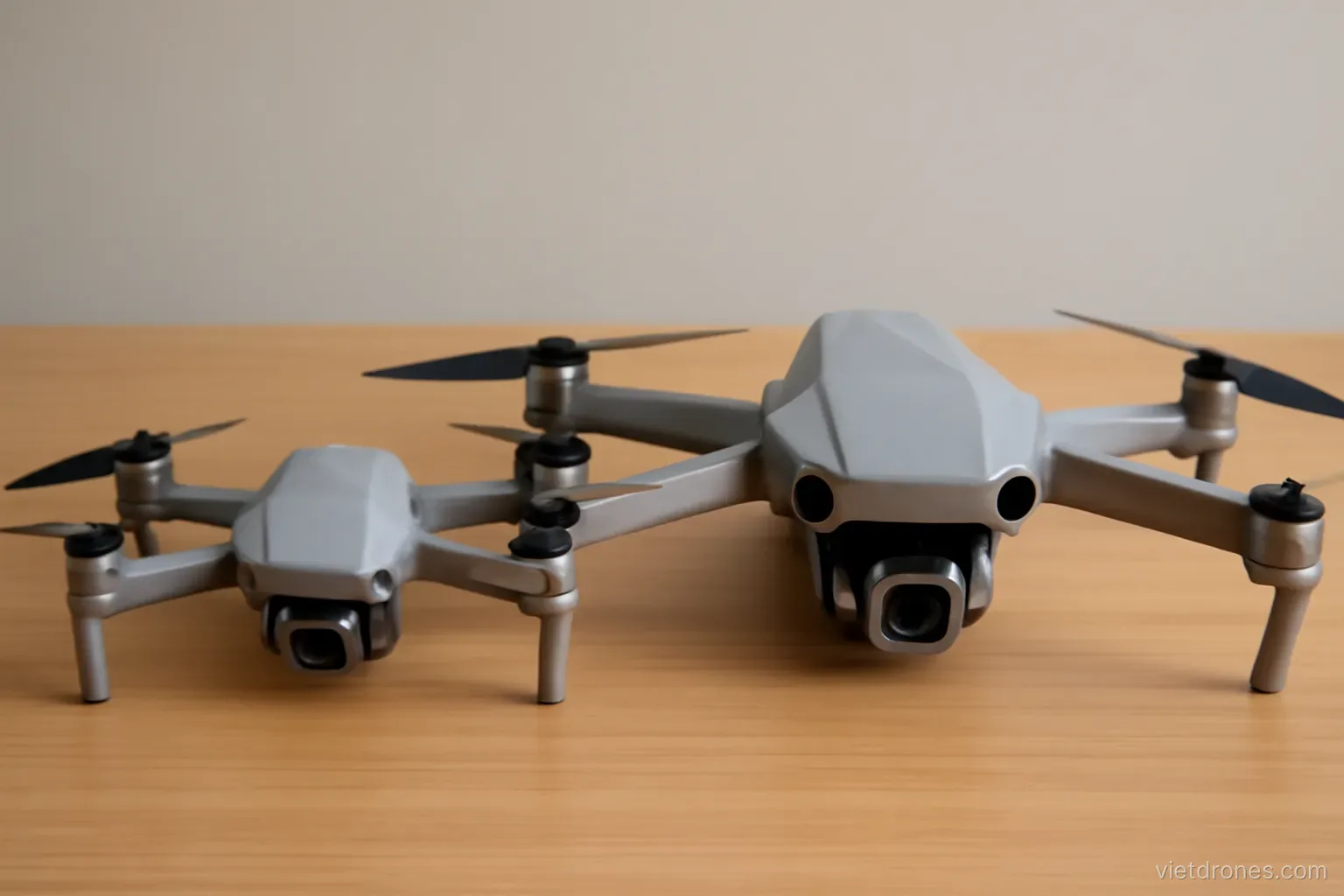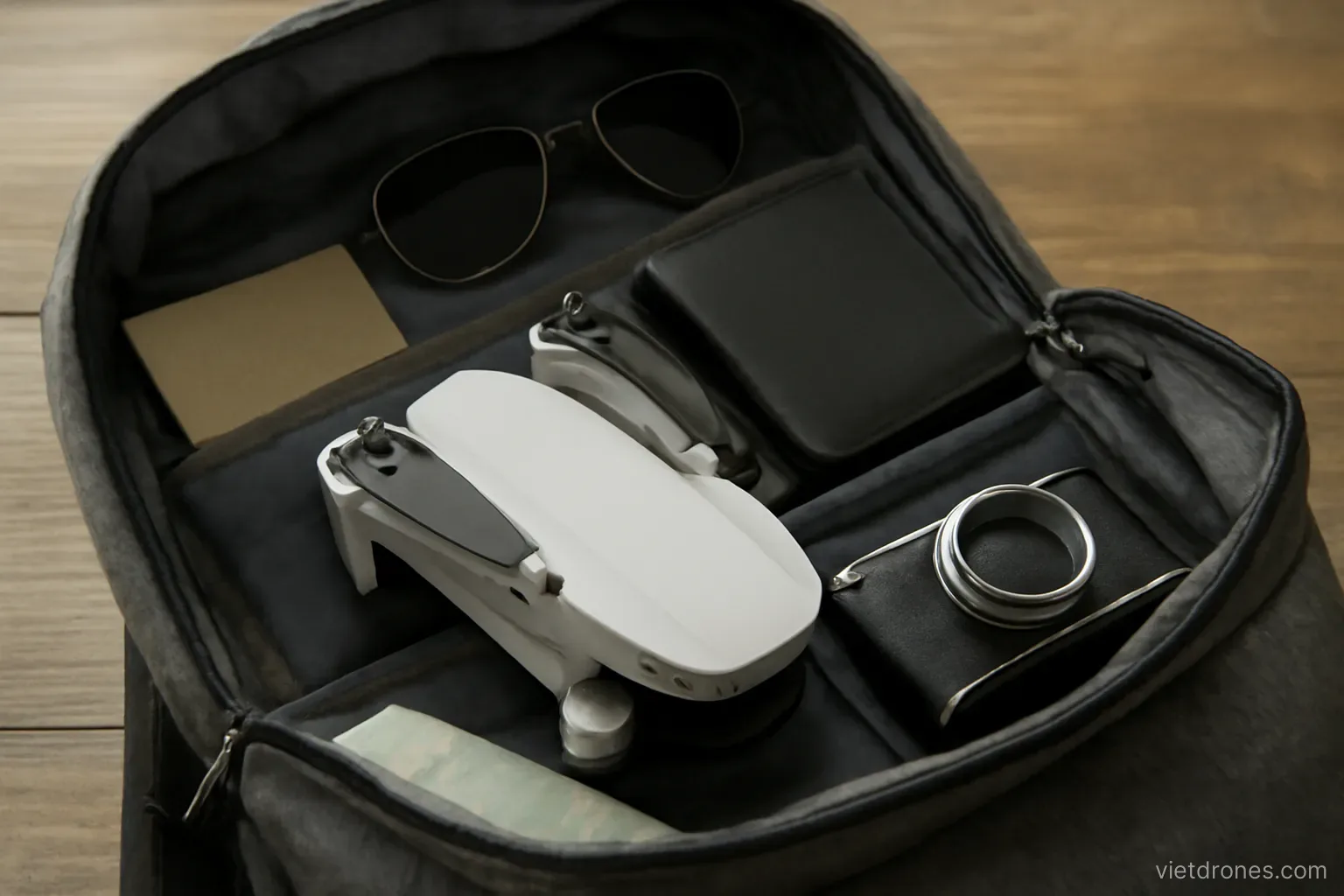
The drone that produces the best footage is not always the one that produces any footage. If it does not fit into how you travel, it will not be there when the light is good.
The portability trade-off
Every gram is felt on a long day. Hiking exposes this faster than driving does.
Folded dimensions matter more than weight. Shape decides whether it fits alongside a laptop.
Count the whole kit. Controller, batteries, charger, cables and filters, not just the aircraft.
Case bulk is real. A protective case can double the effective size.
Setup time is a hidden cost. A drone that takes five minutes to prepare gets flown less.
Smaller drones invite spontaneity. Which is where most good travel footage comes from.
Larger drones win in wind. Coastal and mountain destinations punish light aircraft.
Image quality has a floor. Below a certain point, the footage will not be worth carrying anything.
Consider what else you carry. A photographer already carrying a camera body and lenses has a very different weight budget from someone travelling with a phone.
Be honest about your threshold. Most travellers regret carrying too much more than carrying too little.
Batteries and air travel
Lithium batteries travel in the cabin. Never in checked baggage.
Airlines set quantity limits. Check your specific carrier before the airport, not at it.
Capacity limits apply. Expressed in watt-hours, usually printed on the battery.
Terminals must be protected. Individual bags or tape over contacts.
Partial charge is recommended. Many airlines prefer batteries stored around half charge.
Rules vary by country. Not only by airline. Check both ends of the journey.
Carry documentation. A printed specification sheet resolves questions quickly.
Expect to be asked. Security staff see drone batteries constantly and often ask about them.
Plan charging. Adapters, voltage and a realistic charging schedule at your destination.
Destination restrictions
Research before booking. Some countries restrict or prohibit drone entry entirely.
Some require permits. Applied for well in advance.
Some require registration on arrival. Occasionally with fees.
National parks often prohibit flying. Frequently exactly where the scenery is.
Historic and religious sites. Commonly restricted, and rightly so.
Confiscation happens. At customs in some jurisdictions.
Local rules exist below national ones. A city or a resort may have its own.
Ask accommodation. Hotels often know the local situation well.
Declare it if asked. Attempting to conceal a drone at a border turns a minor administrative matter into a serious one very quickly.
When information is unclear, assume restriction. Losing a drone at a border ruins more than the trip.
Packing well
Keep the drone in hand luggage. Checked baggage handling is rough.
Use a semi-rigid case. Full hard cases are heavy, soft ones offer little.
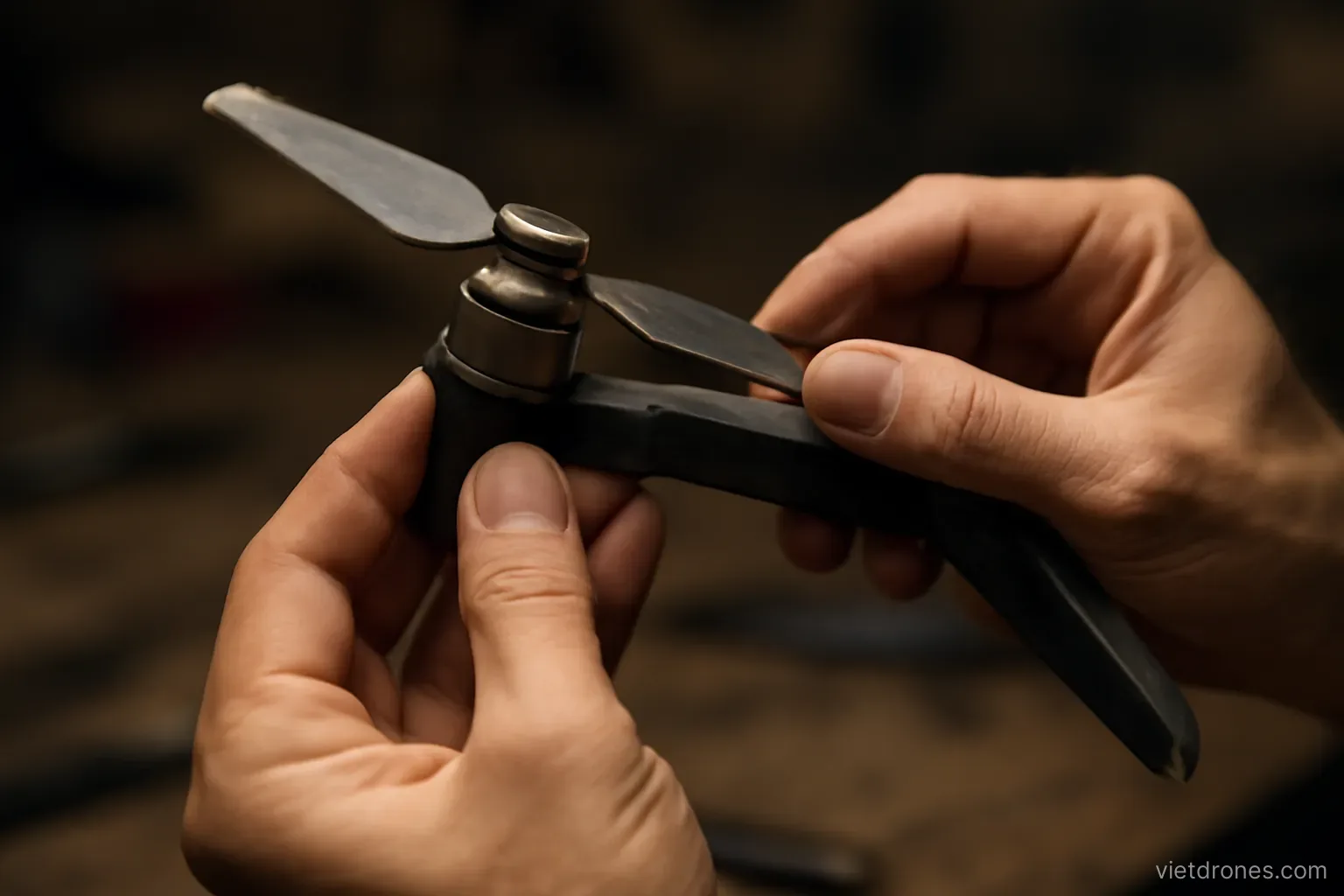
Remove the propellers for transport. Or fit prop holders.
Protect the gimbal. Always fit the gimbal guard. This is the component that breaks.
Batteries in a fireproof pouch. Cheap insurance against a rare but serious failure.
Cards in a proper case. Loose cards in a bag get lost or damaged.
Pack a small toolkit. A screwdriver and spare screws weigh nothing.
Spare props always. The most likely thing to need replacing far from home.
Keep a cleaning cloth handy. Sea spray, dust and fingerprints on the lens ruin more travel footage than any technical fault does.
Photograph your packed kit. Useful for insurance and for checking nothing is left behind.
Flying while travelling
Scout on arrival. Walk the location before flying it.
Fly early. Fewer people, better light, calmer air.
Respect local sensibilities. What is normal at home may not be here.
Watch for wildlife. Nesting birds and grazing animals react badly.
Keep flights short. Less attention, less risk, less battery anxiety.
Back up daily. A lost card on the last day loses the whole trip.
Do not fly tired. After a long journey, judgement is poor.
Accept not flying. Some places will not work out, and that is fine.
Learn a few local phrases. Being able to explain what you are doing, however roughly, defuses most situations before they become awkward.
Note where you flew. A short record of locations and conditions makes the trip far easier to write up or repeat later.
Enjoy the place too. Footage is the souvenir, not the purpose of being there.
Frequently asked questions
Can drone batteries go in checked baggage?
No. Lithium batteries must travel in the cabin, with terminals protected, and airlines set limits on both quantity and watt-hour capacity.
What matters more for travel, weight or folded size?
Folded dimensions usually matter more, because shape decides whether the drone fits alongside a laptop in the bag you already carry.
How should I research destination rules?
Before booking, and at both ends of the journey. Where information is unclear, assume restriction — confiscation at customs does happen.
What is the most important packing precaution?
Fitting the gimbal guard. The gimbal is the component that breaks in transport, and it is the most expensive part to repair.
More in Batteries and accessories and Care and repair.