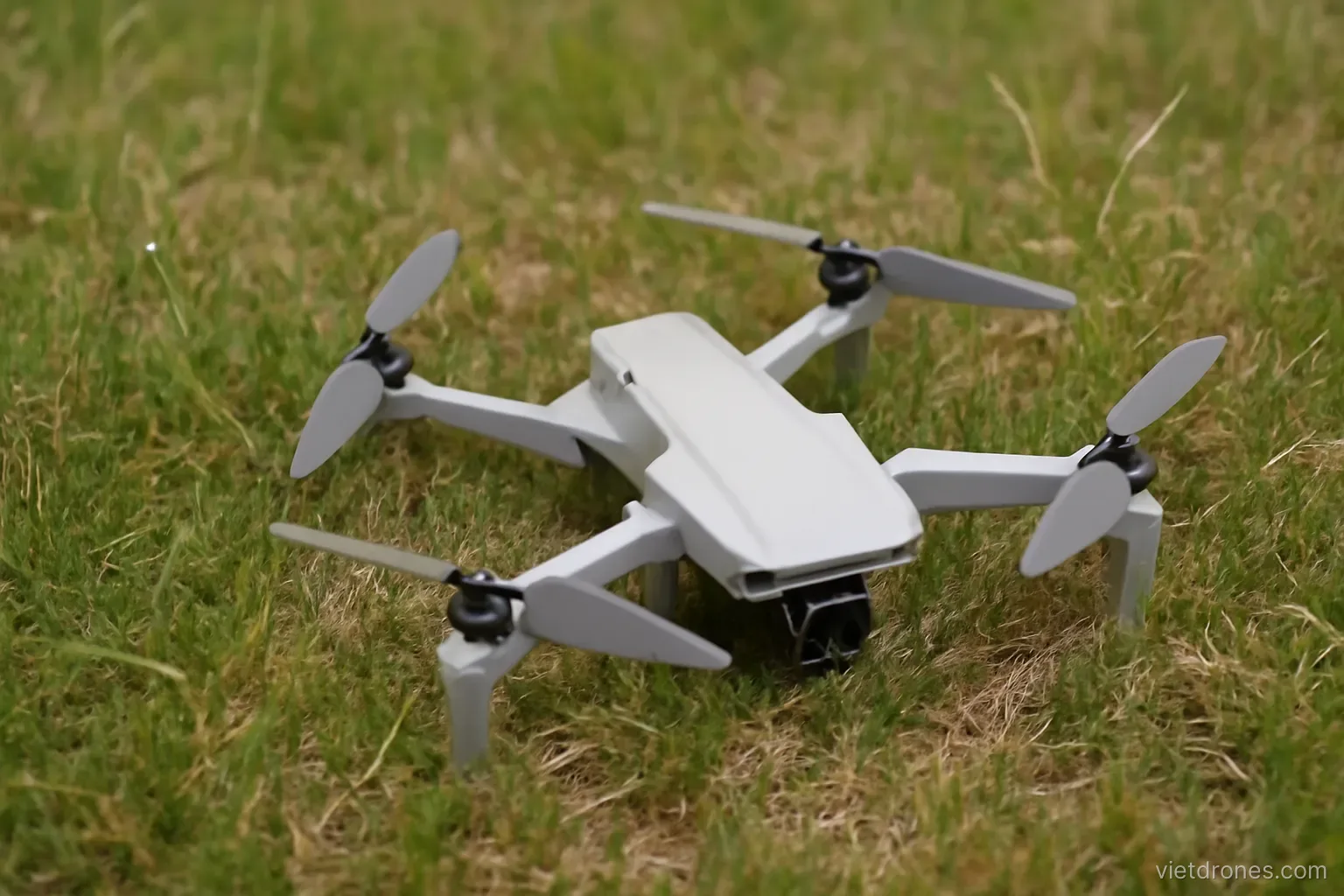
Every pilot crashes eventually. What separates a minor incident from an expensive one is usually what happens in the ten minutes afterwards.
Immediately
Check for injuries first. People before equipment, without exception.
Cut the motors. If the aircraft is still powered and spinning props on the ground.
Approach carefully. A drone that appears dead can spin up unexpectedly.
Note the location precisely. Before moving, in case it must be found again.
Photograph the scene. Position, damage, and anything it hit.
Check for damage to property. And speak to the owner directly if there is any.
Do not fly again immediately. The temptation to test it on the spot causes second crashes.
Remove the battery. Especially if there was any impact to the battery bay.
Retrieve every fragment. Broken prop pieces and shell fragments left in a field are both litter and a hazard to livestock.
Keep the flight logs. They record exactly what happened and are the only objective account.
Recovering a lost drone
Check the last known position. The app records where contact was lost.
Search from that point outward. In a systematic pattern rather than randomly.
Listen for beeping. Many drones sound a locator alarm, audible at surprising distances.
Search low. Drones end up under vegetation more often than on top of it.
Go back at a different time. Different light reveals things the first search missed.
Ask locally. A drone in a field is usually found by someone.
Bring help. Two people searching methodically is far more than twice as effective.
Consider the descent angle. A drone that lost power drops nearly vertically; one that flew away travels far.
Know when to stop. And record the loss for insurance if you have cover.
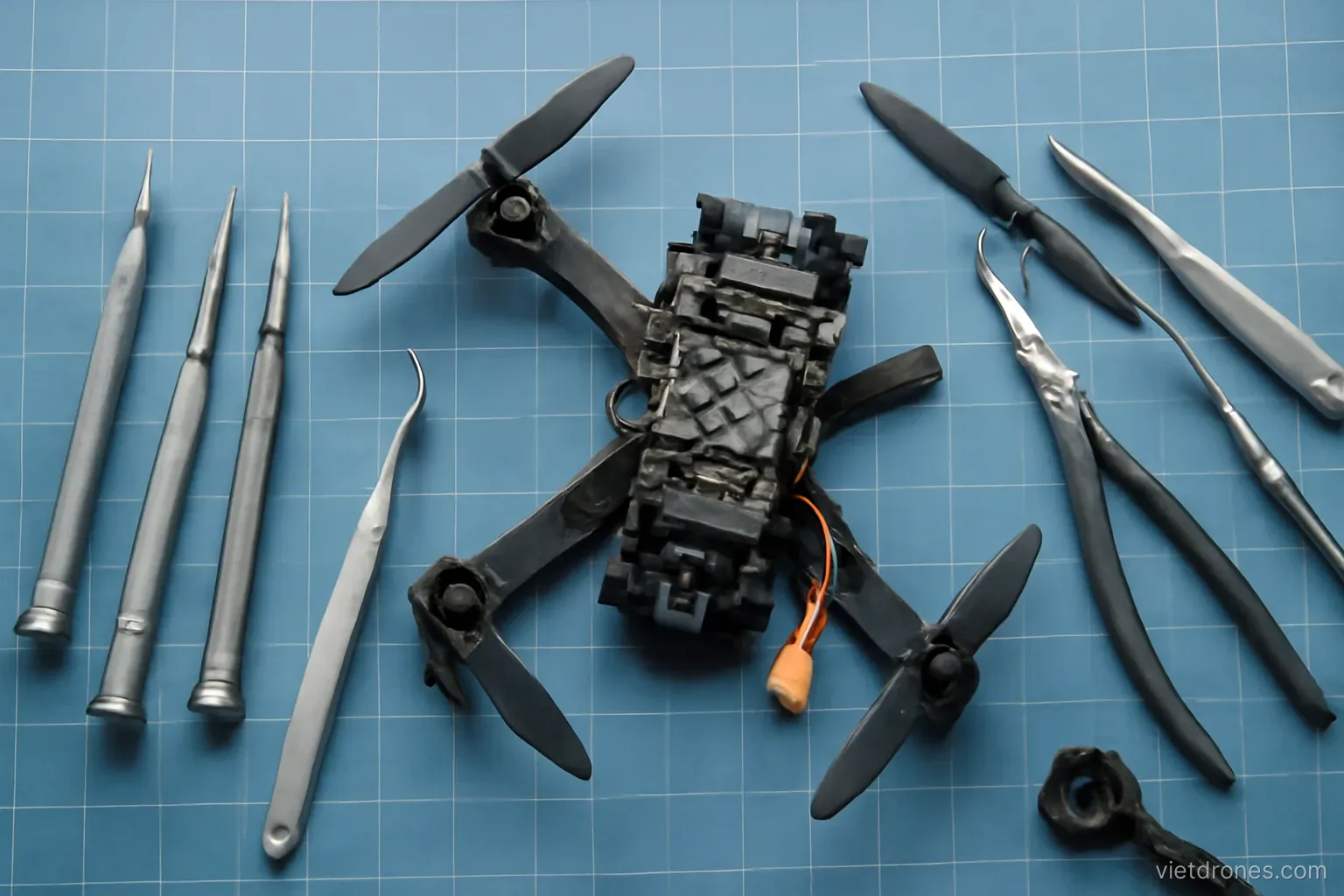
Assessing the damage
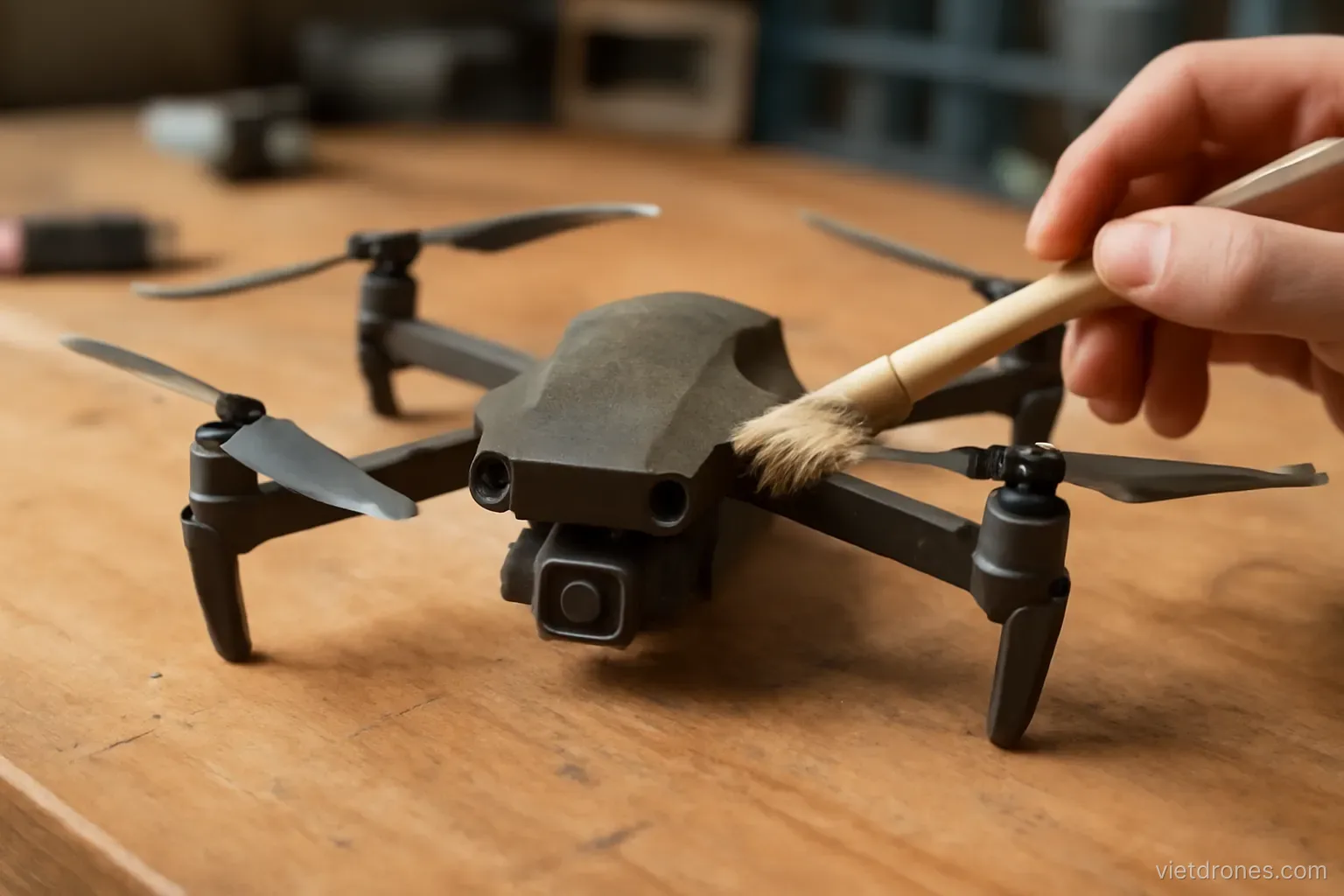
Do this indoors on a table. Not in a field with the light going.
Propellers first. Assume they need replacing regardless of appearance.
Check every arm. Flex each gently and look for cracks at the joints.
Inspect the gimbal thoroughly. Play, misalignment, scratches on the lens, and whether the cabling is intact.
Check the shell seams. Gaps mean internal impact forces were significant.
Examine the battery and its bay. Any deformation of either is serious.
Look for water ingress. If the crash involved wet ground or vegetation.
Check the motors by hand. Grinding, resistance or play in the shaft.
Check the memory card and its slot. Impact can dislodge a card mid-write, and a damaged slot prevents recording without any other symptom.
Look for bent motor shafts. Subtle and a common cause of vibration afterwards.
Testing before trusting
Replace the props before any test. Testing on damaged props tells you nothing useful.
Power up and read the warnings. The app usually reports what it has detected.
Recalibrate. Compass, IMU and gimbal.
Test in a large open space. Nothing to hit and nobody around.
Hover low for several minutes. Listening and watching for drift.
Record and review footage. Vibration shows in video before it is audible.
Test each direction gently. Slowly, at low altitude.
Test a full battery on the ground first. Watching for unexpected voltage behaviour.
Have someone watch from a distance. A second pair of eyes on the aircraft catches asymmetry and unusual attitude that the screen never shows.
Do not fly it over anything valuable. Until several uneventful flights have passed.
Repair or replace
Get a quote before deciding. Official repair pricing is often more reasonable than expected.
Compare against replacement. Including the resale value of a repaired aircraft, which is low.
Gimbal damage is expensive. Frequently the deciding factor.
Shell and arm damage is often economic. Structural parts are usually replaceable.
Water damage rarely is. Corrosion continues after the drone appears to work.
Use official service where available. Third-party repairs void warranties and vary widely in quality.
Do not attempt gimbal repairs yourself. Alignment requires equipment you do not have.
Simple repairs are fine. Props, arms and covers on some models.
Consider the timing. If a replacement model is imminent, repairing an aircraft you would have replaced anyway is money spent twice.
Learn from the log. Understanding the cause is what prevents the next crash, and it is free.
Frequently asked questions
What is the first thing to do after a crash?
Check for injuries, then cut the motors and approach carefully — a drone that appears dead can spin up. Photograph the scene before moving anything.
How should I search for a lost drone?
Start from the last recorded position and search outward systematically, listening for the locator beep and looking low — drones end up under vegetation.
Is it safe to test the drone immediately after a crash?
No. Replace the propellers, recalibrate, then hover low in a large open space and review recorded footage for vibration before trusting it.
When is a crashed drone not worth repairing?
Usually when the gimbal is damaged or water was involved — gimbal repair is expensive and corrosion continues even after the drone appears to work.
More in Safe and legal flying and Drone filming services.