Most recreational pilots think about the cost of losing the drone. Very few have thought about the cost of the drone landing on something, or someone, else.
Where the real exposure sits
Equipment loss is bounded. The worst case is the value of the aircraft, which you already know.
Third-party damage is not bounded. A vehicle windscreen, a greenhouse, a roof or a crop can exceed the drone's value many times over.
Injury is the serious case. Medical costs and compensation can reach figures no hobby budget contemplates.
Spinning propellers cause real harm. Even a small aircraft at close range.
Falling objects gain energy. Height converts directly into impact force.
Disruption has costs. Interfering with aviation or emergency operations carries consequences beyond money.
Privacy claims are possible. Depending on jurisdiction and circumstance.
Legal costs accumulate. Independently of any eventual finding.
Consequential losses add up. A drone that halts work on a site or damages a crop mid-season costs far more than the physical damage suggests.
The pilot carries all of it. Responsibility does not transfer to the manufacturer or the retailer.
Equipment cover
It insures the aircraft itself. Against damage, and sometimes against loss.
Manufacturer care plans are the common form. Replacement or repair at reduced cost, usually with a limited number of claims.
Read the exclusions carefully. Water, fly-aways and pilot error are commonly excluded or limited.
Check whether loss is covered. A drone that disappears is different from one that is damaged.
Note the excess. The amount you pay per claim affects whether small damage is worth claiming.
Compliance is usually a condition. Flying outside the rules can void the cover entirely.
Home contents policies may extend. Sometimes covering equipment away from home, sometimes not.
Worth it for expensive aircraft. Marginal for inexpensive ones where the premium approaches the value.
Check before travelling. Cover often changes or lapses outside the country of purchase.
Liability cover
It covers damage you cause to others. The more important of the two by a considerable margin.
Check the limit. A low limit provides little protection in a serious incident.
Check what activities are included. Recreational and commercial flying are usually treated differently.
Some club memberships include it. Model aircraft associations often provide cover to members.
Some jurisdictions require it. Particularly for commercial operations.
Personal liability policies may exclude aircraft. Check specifically rather than assuming.
Compliance is again a condition. Which is a practical reason to fly within the rules.
Keep evidence of cover accessible. Not filed at home.
Check territorial scope. Cover valid at home frequently stops at the border, and travel is exactly when unfamiliar conditions raise the risk.
Understand the claims process. Before you need it, including any reporting deadlines.
Reducing exposure without insurance
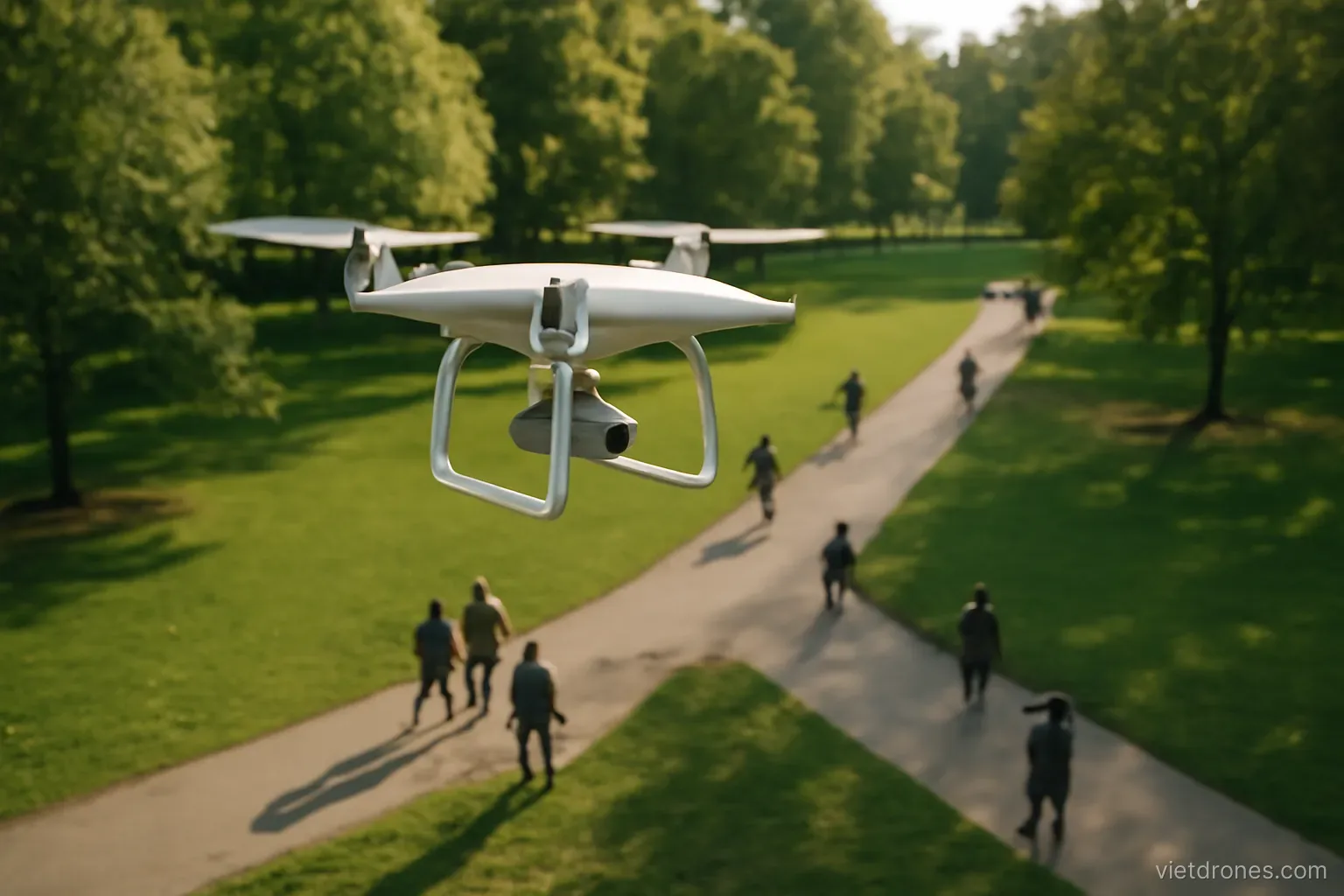
Do not fly over people. This single rule removes most injury exposure.
Do not fly over property you could damage. Vehicles, glass, livestock and crops.
Choose open sites. Distance is the cheapest form of risk management there is.
Fly within the rules. Both to reduce risk and to preserve any cover you have.
Maintain the aircraft. Most mechanical failures announce themselves in advance.
Respect conditions. Wind and low battery cause the majority of incidents.
Fly within your skill. Ambitious flying in tight places is where consequences arise.
Land early on doubt. A cautious landing has never cost anyone anything serious.
This is cheaper and more effective. Insurance limits consequences; prevention avoids them.
If something happens
People first. Check for injuries and call for medical help without hesitation.
Do not admit or assign fault at the scene. Cooperate, but leave determination to the process.
Document everything. Photographs, time, location and any witnesses.
Preserve the flight logs. They are the objective record of what happened.
Exchange details. As you would after any incident involving another party.
Report promptly. To your insurer and, where required, to the relevant authority.
Observe deadlines. Late notification is a common reason claims fail.
Do not repair before assessment. If a claim is likely.
Write your own account the same day. Memory of an incident degrades quickly, and a contemporaneous note is worth far more than a recollection weeks later.
Then examine the cause. The point of an incident is the change it produces in how you fly afterwards.
Frequently asked questions
Which type of cover matters more?
Liability cover. Equipment loss is bounded by the drone's value, while damage or injury to a third party is not bounded at all.
Does home contents insurance cover a drone?
Sometimes for the equipment away from home, but personal liability sections often exclude aircraft entirely. Check specifically rather than assuming.
Can a claim be refused for flying outside the rules?
Yes. Compliance is a standard condition of both equipment and liability cover, which is a practical reason to fly within the rules regardless.
What reduces exposure most cheaply?
Not flying over people or damageable property. Distance is the cheapest risk management available, and prevention avoids consequences rather than limiting them.
More in Flight moves and technique and Camera settings.