Buying a drone puts you in charge of an aircraft. That single fact explains most of the obligations that follow, and it is the part that first-time buyers are most often surprised by.
The principles that apply nearly everywhere
Airspace is managed. Nowhere treats the sky as unregulated, and recreational purpose does not create an exemption.
The pilot is responsible. Legally and practically, whatever the aircraft does is attributed to the person flying it.
Not knowing is not a defence. The obligation to find out sits with you before the first flight.
Weight determines the category. Almost every framework sorts aircraft by mass, and the thresholds matter.
Registration is common. Above a certain weight, most countries require the aircraft or the operator to be registered.
Altitude limits are near universal. Usually expressed as a height above ground level.
Visual line of sight is standard. Flying beyond it typically requires specific authorisation.
Distance from people and property is regulated. The specific figures vary considerably.
Night flying is treated separately. Most frameworks either prohibit it or attach specific conditions such as lighting and additional authorisation.
Certain areas are simply prohibited. Around aerodromes above all.
Finding the rules that apply to you
Start with the national aviation authority. Their published guidance is the authoritative source, not a forum post.
In Vietnam, unmanned aircraft operations fall under Ministry of Defence authorisation. With other agencies involved depending on the activity.
Check the date on anything you read. Frameworks in this area change frequently and old guidance circulates widely.
Distinguish national from local. Cities, parks and private venues frequently impose their own additional restrictions.
Distinguish recreational from commercial. The moment money is involved, different requirements usually apply.
Do not rely on the drone app alone. Its restriction data is a convenience, not a legal record.
Do not rely on retailers. Sales staff are not a reliable source on regulation.
Ask directly when unclear. Local authorities can usually answer a simple question about a specific location.
Write down what you find. Along with the date and source, so you know when to check again.
Registration and identification
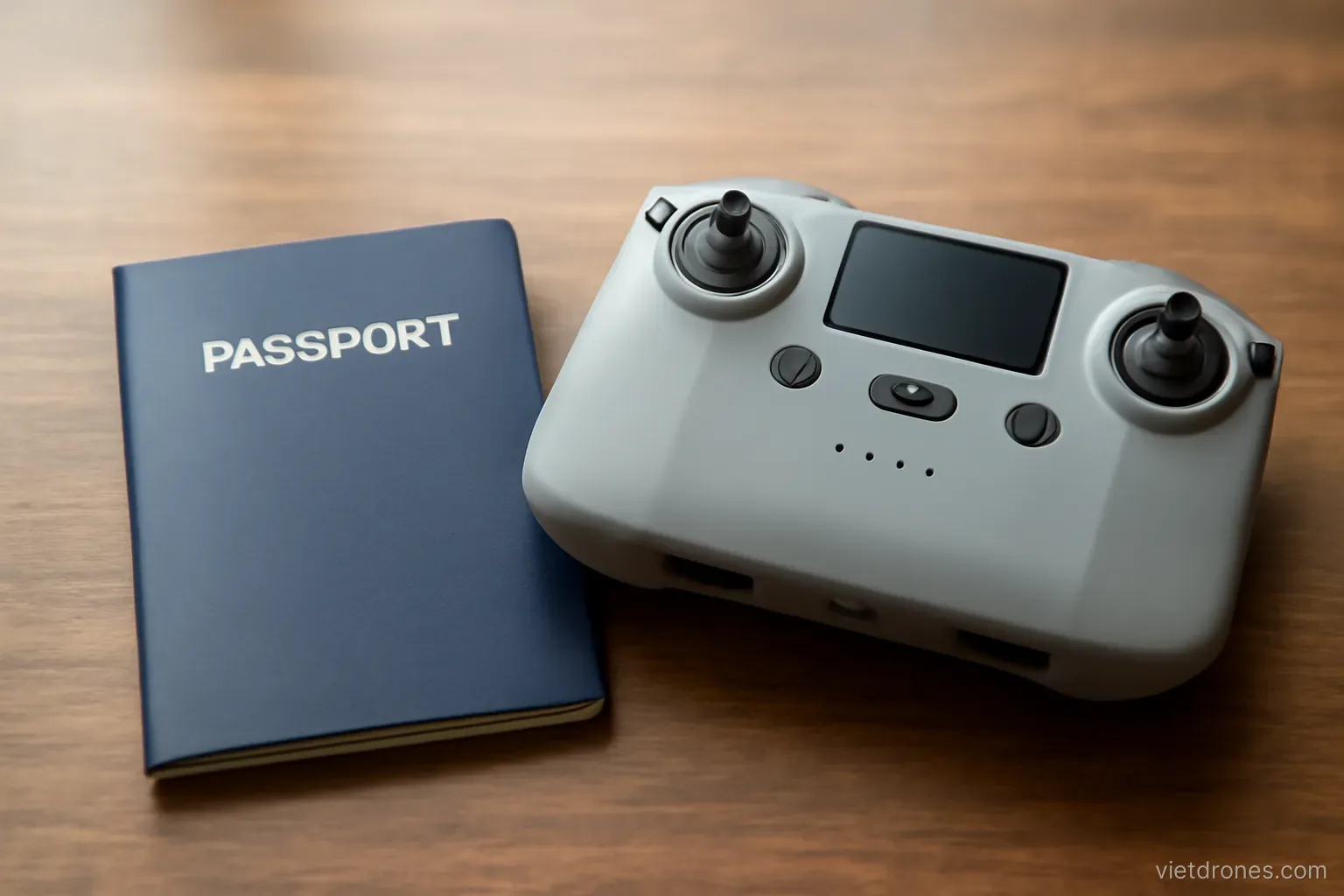
Check whether your aircraft requires it. Usually determined by weight, sometimes by intended use.
Do it before the first flight. Not after being asked about it.
Mark the aircraft if required. Many frameworks require a visible identification number.
Carry proof. Digital or printed, accessible when you are away from home.
Keep it current. Registrations expire and details change.
Register on change of ownership. Buying used does not transfer someone else's registration.
Understand what it does not cover. Registration is not permission to fly anywhere.
Note any training requirements. Some categories require a test or a certificate.
Check whether insurance is mandatory. Some jurisdictions require liability cover in the same breath as registration, and the two are easy to confuse.
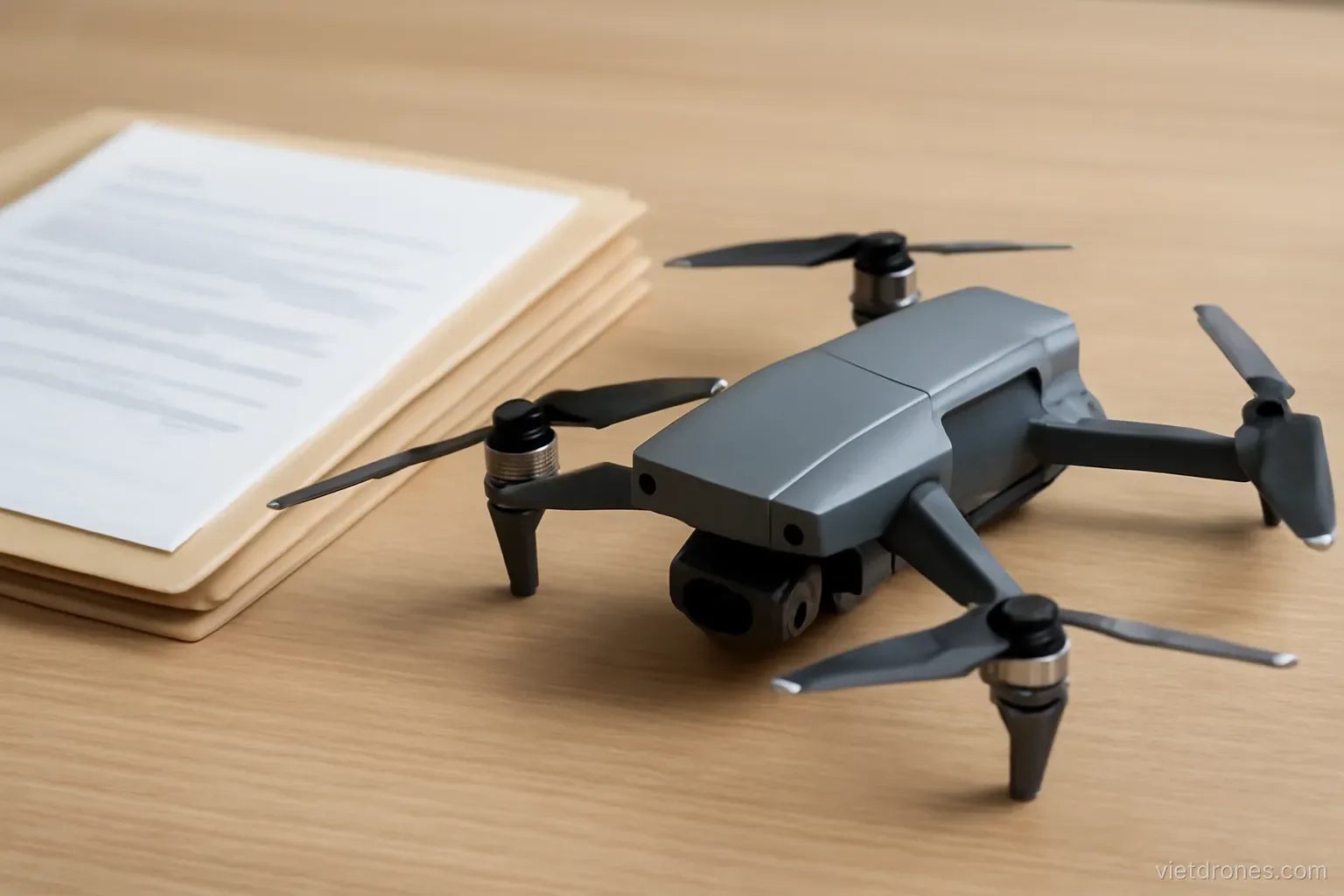
Keep records together. Registration, any certificates and insurance in one accessible place.
Restrictions you must respect
Aerodromes and their approaches. The most serious restriction, and the approach corridors extend much further than most people assume.
Military installations. Both flying and photography.
Government and strategic facilities. Power stations, ports, major infrastructure.
Border regions. Often subject to specific restrictions.
Temporary restrictions. Around events, emergencies and official movements.
Emergency operations. Never fly near firefighting, search or medical helicopter activity.
Protected natural areas. Frequently restricted, and frequently where the scenery is.
Heritage and religious sites. Both regulated and a matter of respect.
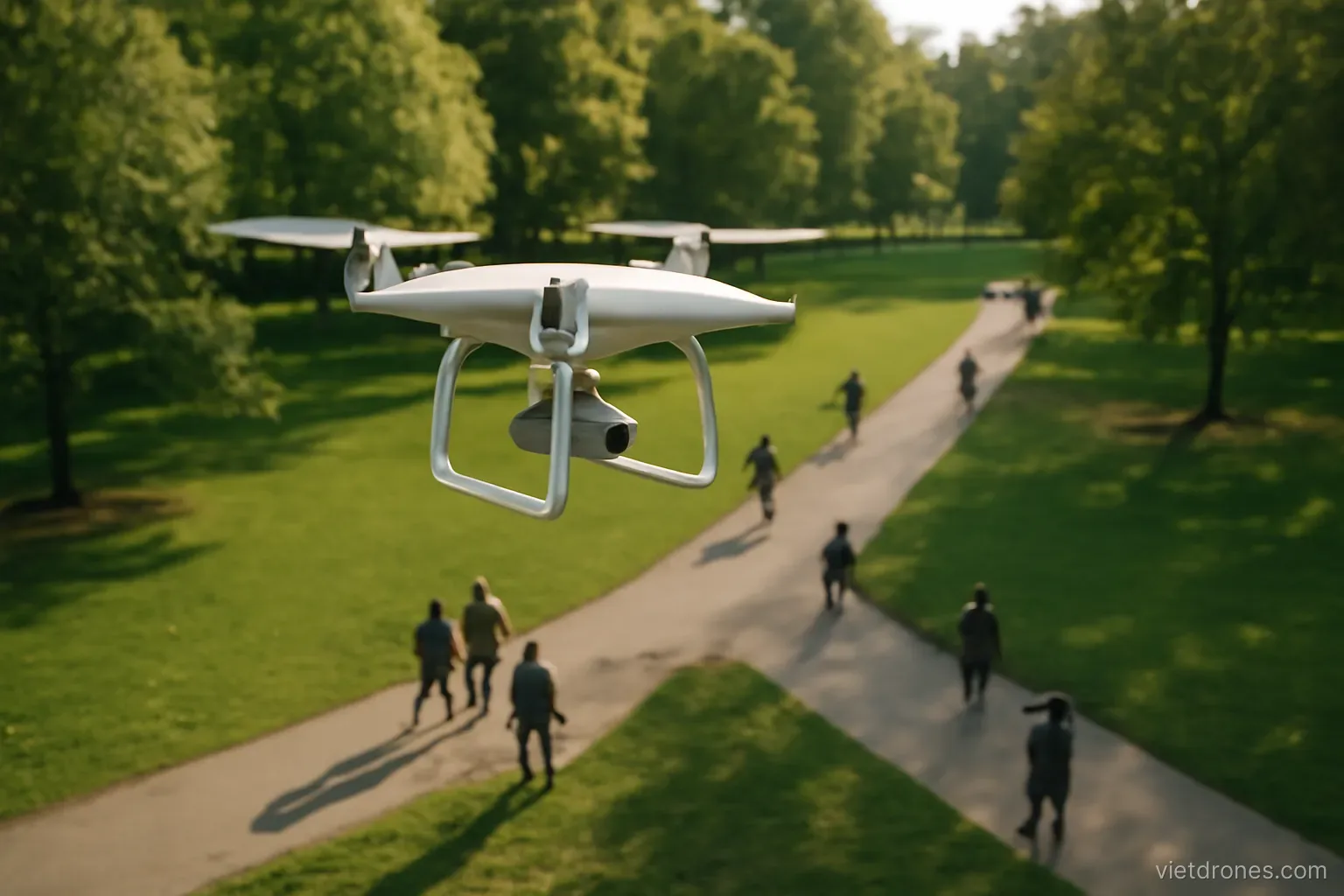
Crowds and gatherings. Almost universally prohibited, whatever the aircraft.
Building a habit of compliance
Check before every new location. Not once a year.
Re-check familiar places periodically. Restrictions are added and modified.
Build it into preflight. Airspace check before equipment check.
Keep documents in the bag. Not at home.
Be able to explain yourself. Briefly and calmly, to anyone who asks.
Cooperate when questioned. Arguing at the scene achieves nothing useful.
Stop when asked by an official. Then resolve the question afterwards if you believe it was wrong.
Set personal limits below legal ones. A margin means an error does not become a violation.
Follow the authority for updates. Subscribing to official notices costs nothing and is far more reliable than discovering a change through a confrontation.
Treat rules as the floor. Legal and sensible are not the same standard, and the second is the one worth holding.
Frequently asked questions
Do recreational drone pilots have legal obligations?
Yes. Airspace is managed everywhere, recreational purpose creates no exemption, and the obligation to find out what applies sits with the pilot before the first flight.
Where should I look for the applicable rules?
The national aviation authority's published guidance, checked for date, plus any local restrictions from cities, parks or venues. App data is a convenience, not a legal record.
Does registration mean I can fly anywhere?
No. Registration identifies the aircraft or operator; it is not permission to fly in any particular place, and area restrictions apply regardless.
What should I do if an official asks me to stop?
Stop, cooperate calmly, and resolve the question afterwards if you believe it was mistaken. Arguing at the scene achieves nothing useful.
More in Camera settings and Flight moves and technique.