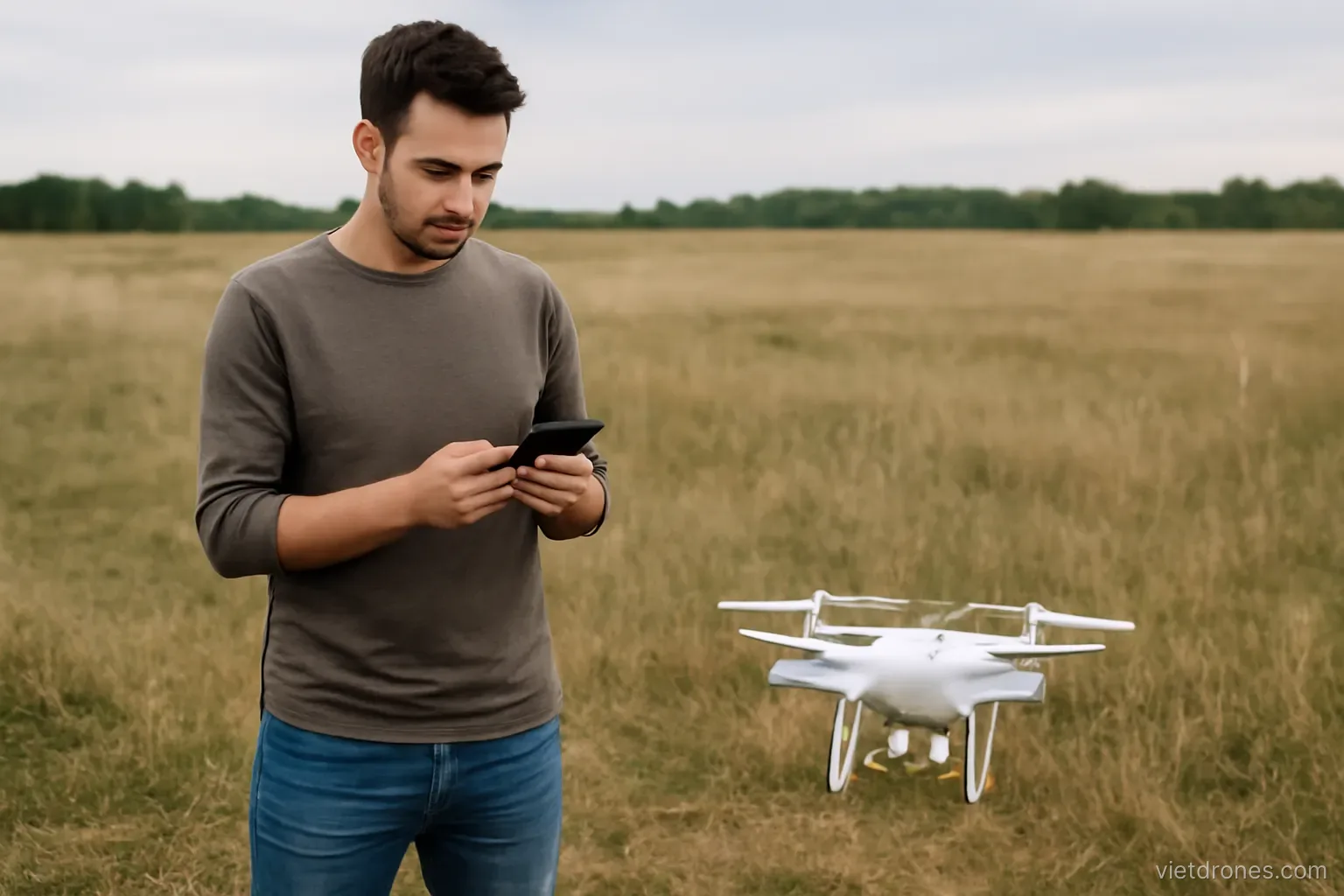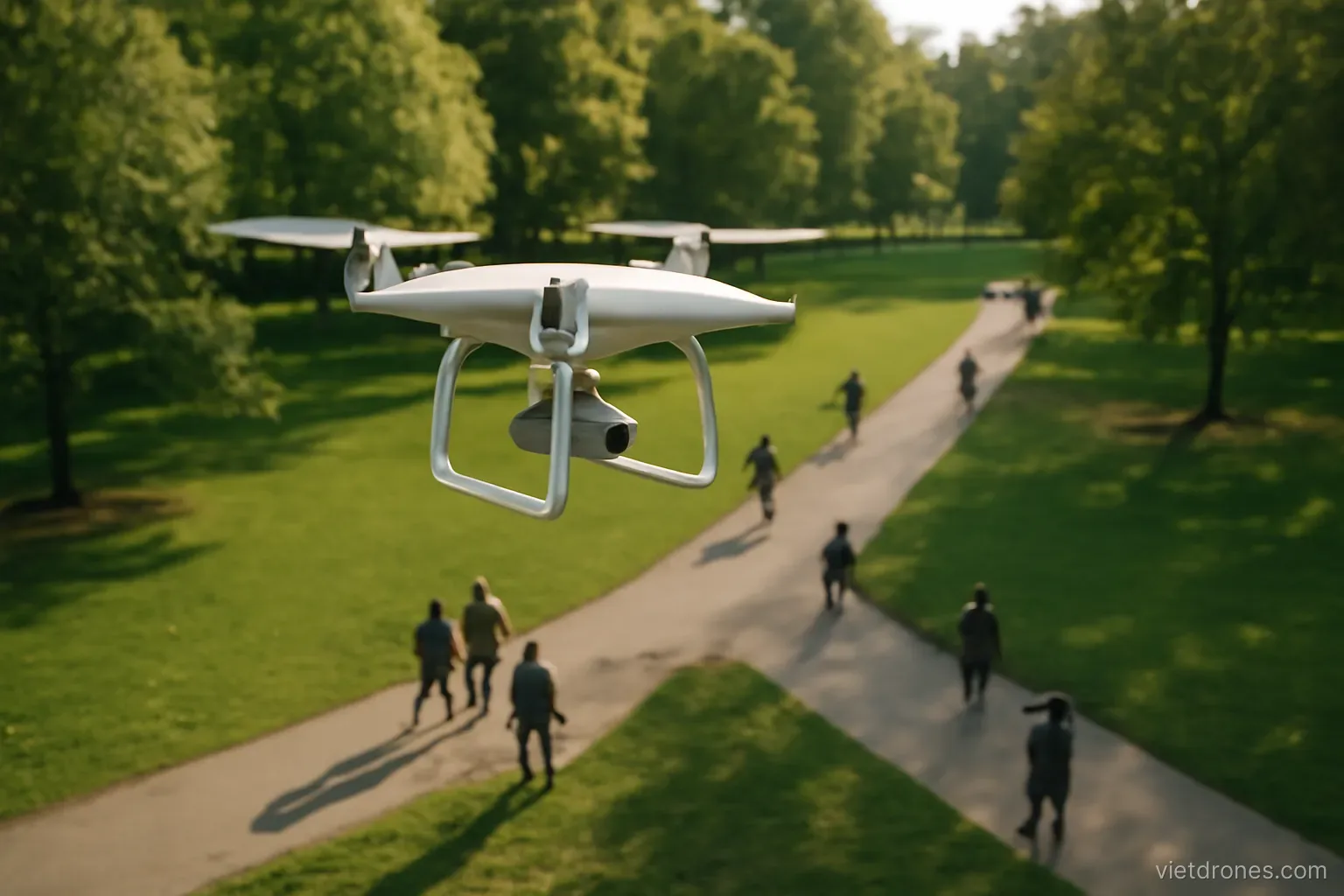
Technical competence keeps a drone in the air. Social competence is what keeps you welcome in the places you want to fly, and it is learned far less often.
Understanding the objection
People fear being watched. Whether or not your camera is pointed at them, the presence of a camera overhead feels intrusive.
They cannot tell what you are filming. From the ground, a hovering drone looks identical whether it is filming a landscape or a window.
The noise is part of it. A persistent high-pitched sound overhead is genuinely unpleasant.
Height does not reassure. Many people assume drone cameras see far more detail than they do.
Past incidents shape the reaction. Reported misuse colours how every drone is perceived.
The objection is often reasonable. Treating it as ignorance is both wrong and counterproductive.
Explaining helps enormously. Most tension dissolves once people understand what you are doing.
Showing the screen helps more. Seeing the actual view resolves the fear immediately.
Anticipate rather than react. Deciding how you will handle it before it happens keeps the conversation calm.
Flying considerately near homes
Do not hover over houses. Even briefly, and even with the camera pointed elsewhere.
Gain altitude before crossing residential areas. Less noise, less detail, less concern.
Point the camera down or away. Never horizontally at windows and balconies.
Transit rather than linger. Passing through reads very differently from circling.
Avoid gardens and enclosed yards. These are private space in every meaningful sense.
Ask when filming a specific property. Even from outside its boundary.
Think before publishing. Aerial views of a home reveal layout, vehicles and security arrangements.
Blur or exclude identifiable people. Where they had no reason to expect to be filmed.
Respond well to removal requests. Handling one gracefully costs a clip and avoids a much larger problem.
Public spaces and crowds
Never fly over gatherings. This is both prohibited in most frameworks and genuinely dangerous.
Launch away from busy areas. Then fly out to the subject.
Approach from outside rather than through. From the water towards the shore, from the field towards the village.
Fly higher where people are below. Distance reduces both risk and noise.
Have someone watch the aircraft. Or at minimum watch your own take-off and landing area.
Mark your operating area. Even a bag placed as a marker deters people from walking into it.
Keep sessions short. A brief flight attracts far less attention than a long one.
Choose quiet times. Early morning solves most crowding problems entirely.
Accept that some places will not work. Not every location can be flown responsibly.
Handling confrontation
Stay calm and friendly. Tone determines the outcome more than argument does.
Land first if the conversation is heated. You cannot fly and negotiate at the same time.
Listen before explaining. People want to be heard more than they want a technical answer.
Explain simply. What you are filming, for how long, and that you are not filming them.
Offer to show the footage. The single most effective response available.
Do not cite regulations at people. Being technically correct rarely improves a confrontation.
Be willing to stop. One clip is never worth an escalating dispute.
Never argue with someone angry. Disengage, pack up and leave politely.
Remember the next pilot. The impression you leave determines how the next person is received there.
Publishing responsibly
Review before publishing. Watch for identifiable people, vehicles and private spaces.
Consider location tagging carefully. Precise tags on private property can create problems for the people who live there.
Be careful with sensitive sites. Infrastructure, security arrangements and restricted areas.
Credit and permission where relevant. If someone allowed access, acknowledge and honour any conditions.
Do not publish footage of incidents. Accidents and emergencies involve people having the worst day of their lives.
Think about aggregation. Individually harmless clips can together reveal patterns about a place or person.
Respond to concerns promptly. Someone asking for removal should get a quick and reasonable answer.
Keep originals. In case a question arises about what was actually filmed.
Ask the simple question. Would you be comfortable if this were your home in the frame.
Frequently asked questions
Why do people object to drones even when nothing private is being filmed?
Because from the ground a hovering drone looks identical whether it films a landscape or a window, and the noise makes the presence continuously obvious.
What is the most effective response to a bystander's concern?
Listening first, explaining briefly, and offering to show them the screen. Seeing the actual view resolves the fear faster than any explanation.
How should I fly near homes?
Gain altitude before crossing residential areas, transit rather than linger, keep the camera down or away, and never hover over a house or enclosed garden.
What should I consider before publishing aerial footage?
Identifiable people, private property, security arrangements and location tagging — aerial views of a home reveal layout, vehicles and access in a way ground photos do not.
More in Drone filming services and Drone video editing.